

Shockwave therapy device for horses
$799.00 USD
- Catch tightness early at home — before it becomes a career-ending injury
- 10–300 mJ energy · 1–18 Hz frequency — tune from trigger points to deep ligaments
- 7 heads + 16 presets + video training — ready to use on day one
Description
What Problems Does the Shockwave therapy device for horses Solve?
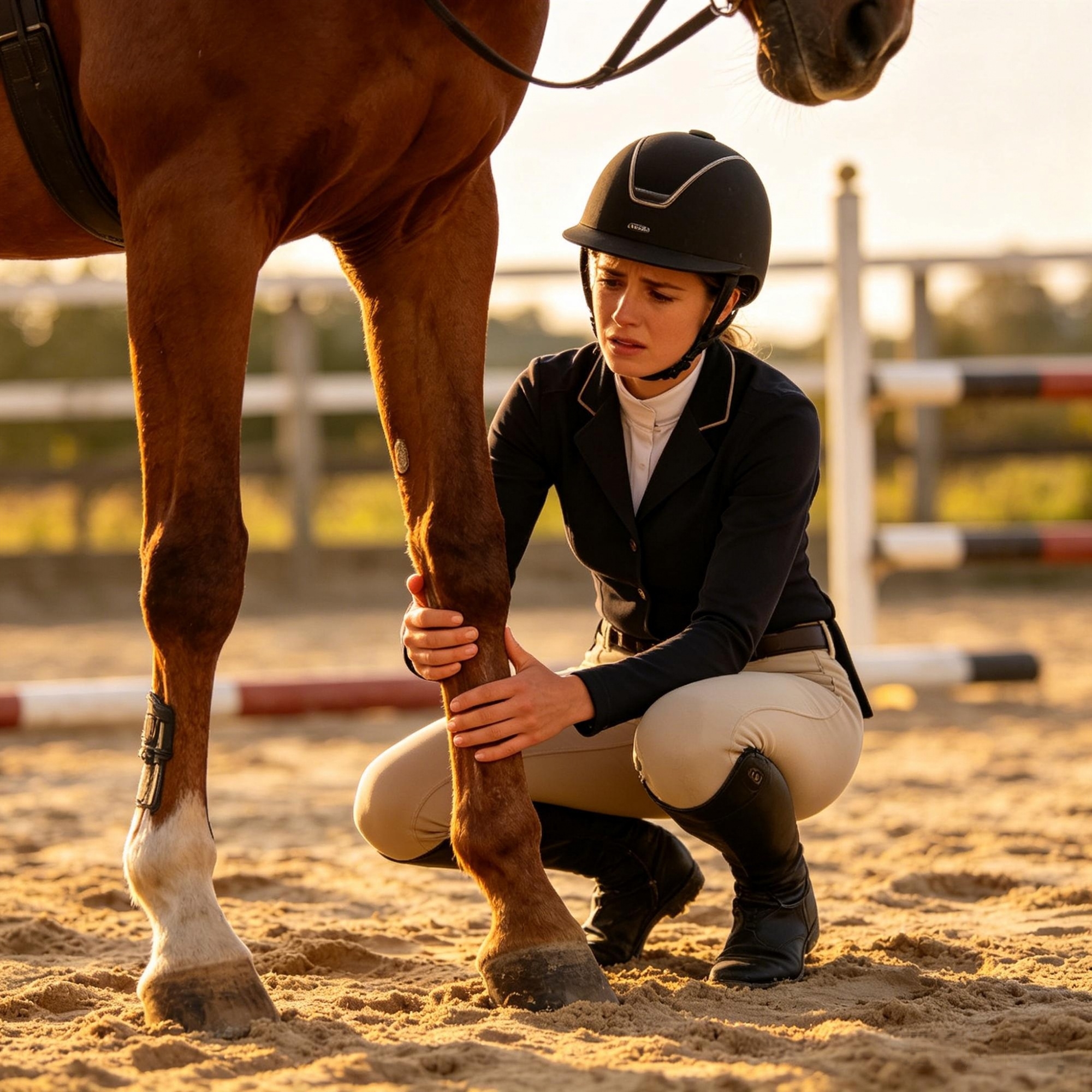
Sport horses with recurring tendon, suspensory and muscle soreness after training & competition
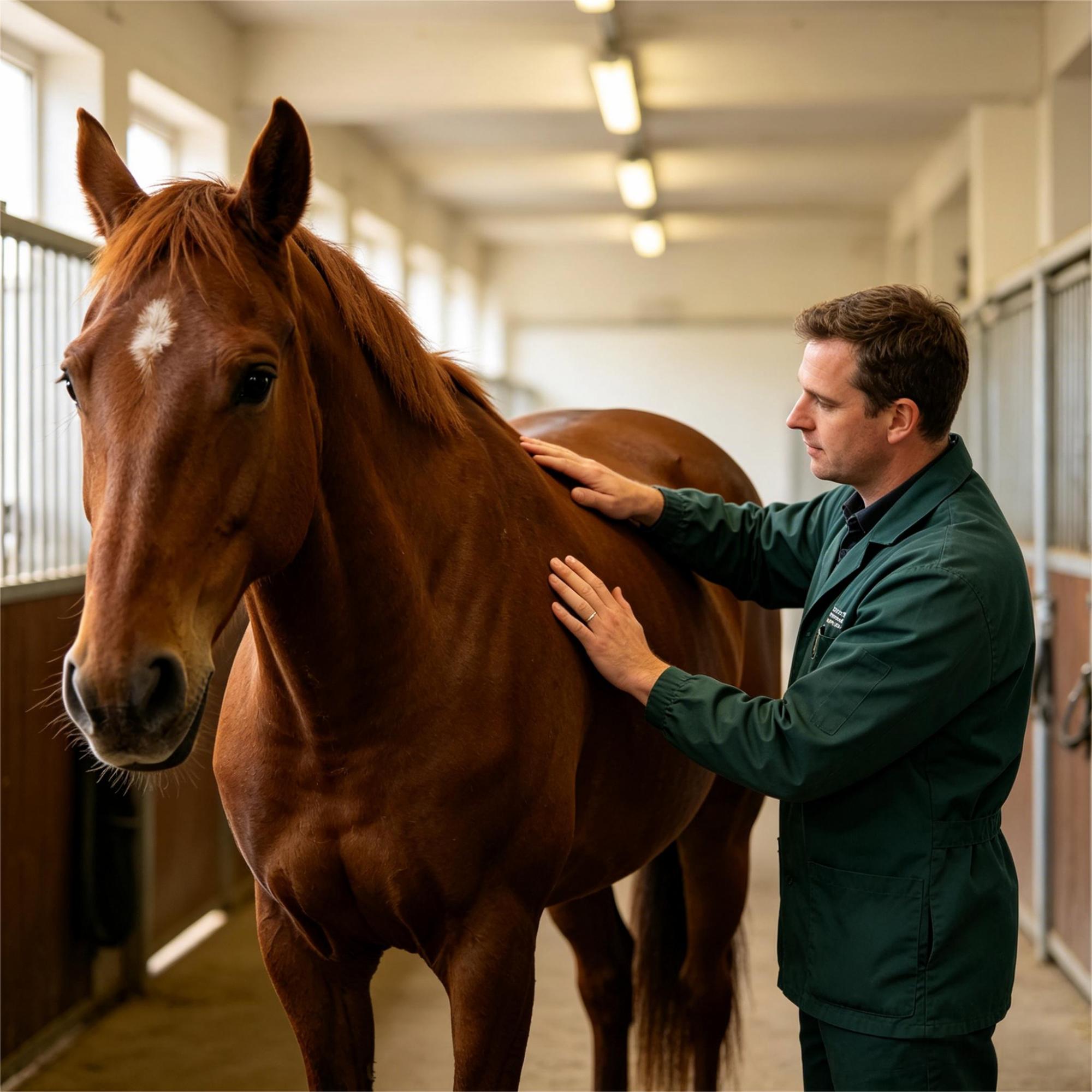
Joint stiffness, chronic back pain and scar-tissue pain limiting performance
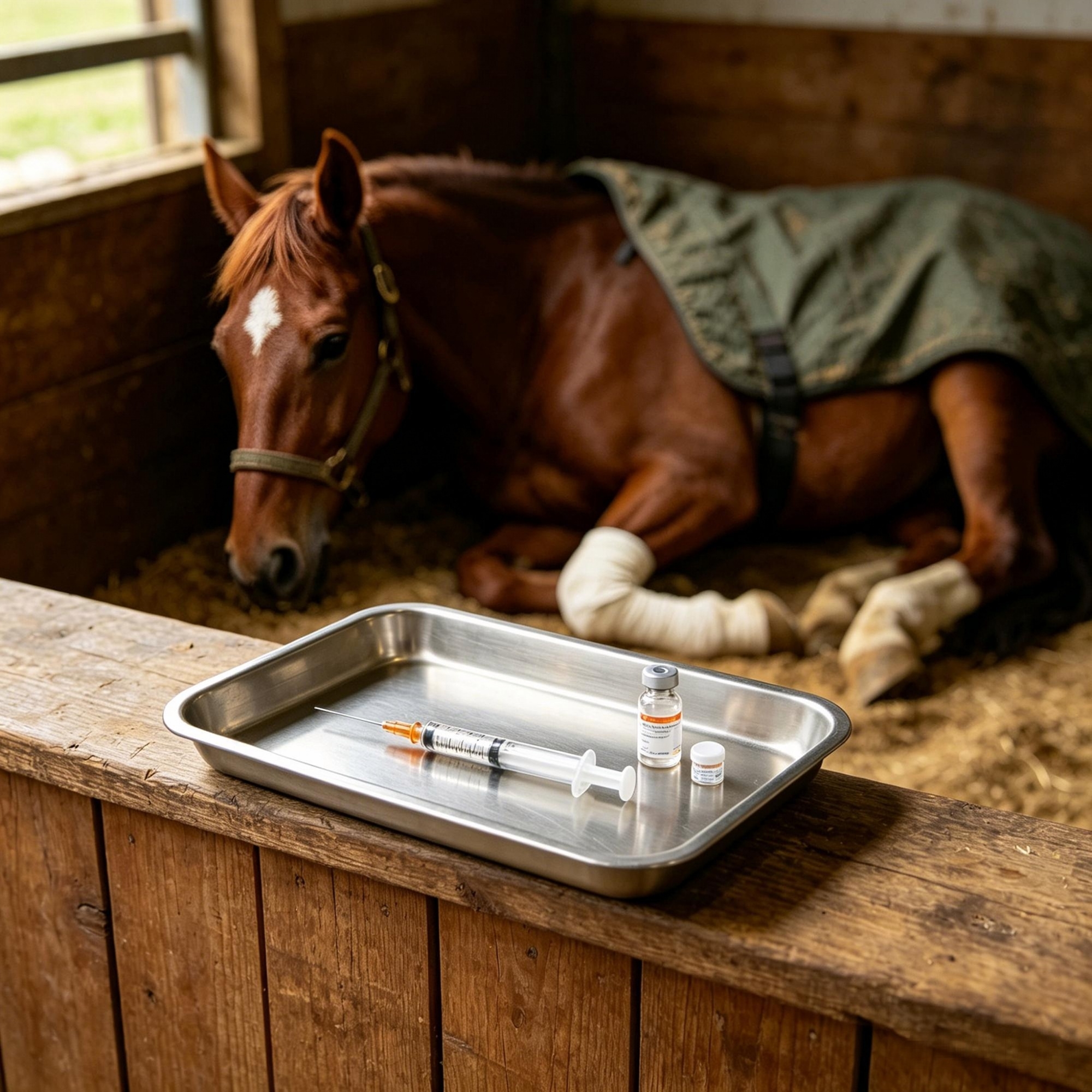
Expensive steroid injections, repeated drug cycles, and long layoffs
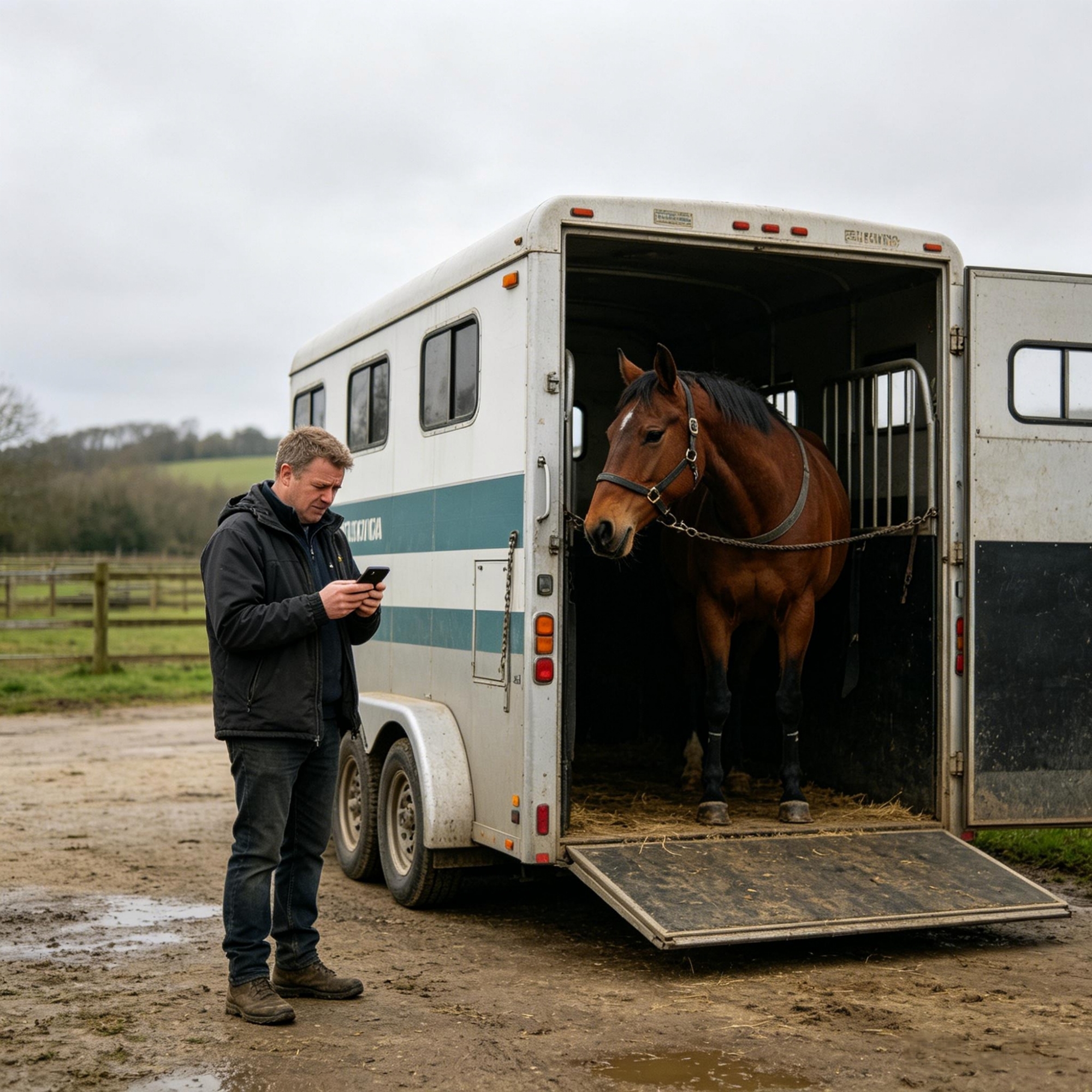
Referring every case out to a specialist clinic — slow and costly
Item |
Detail |
|---|---|
| Technology | Extracorporeal radial shockwave therapy (ESWT) |
| Energy | 10 – 300 mJ, adjustable |
| Frequency | 1 – 18 Hz, adjustable |
| Work heads | 7 interchangeable heads + blue protective covers |
| Presets | 16 equine body-part presets on the touchscreen |
| Control | Touchscreen |
| Power | AC 100 – 240 V · EU / US / UK / AU plug options |
| Application | Horses and other large animals |
| Package size | 16.1 × 12.6 × 9.8 in (41 × 32 × 25 cm) |
| Gross weight | 5.5 kg |
| Warranty | 1 year (manufacturing defects, non-human damage) |
Built for Daily Stable & Clinic Use
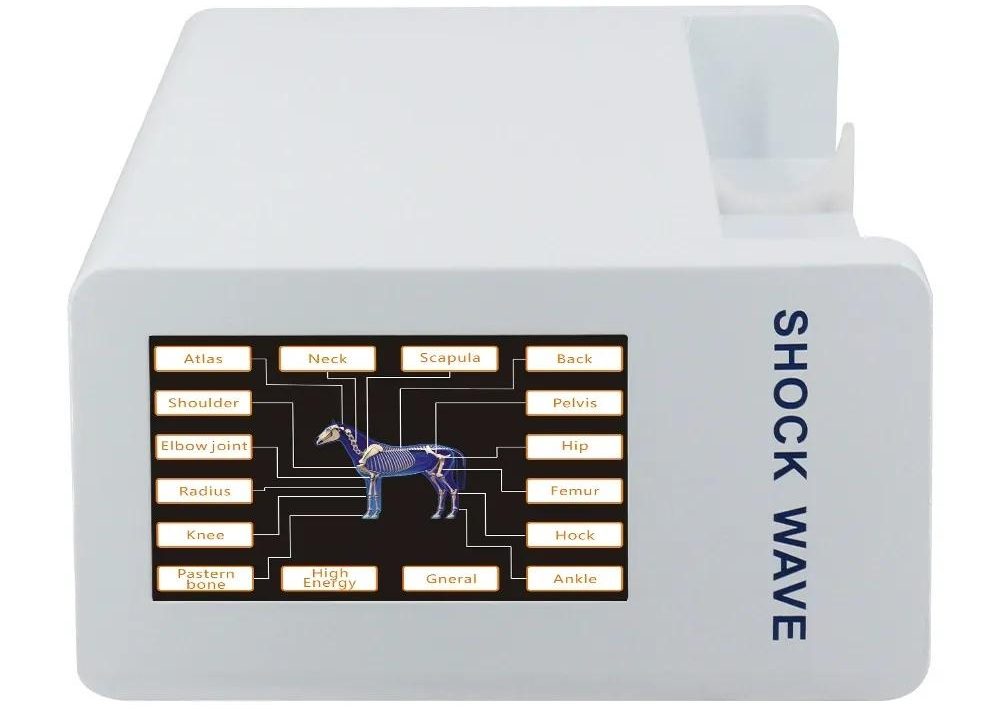
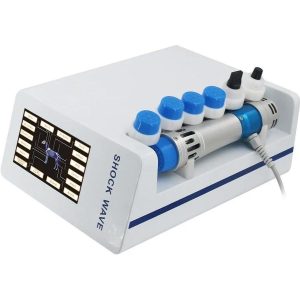
Compact Host with Touchscreen & Built-In Cradle
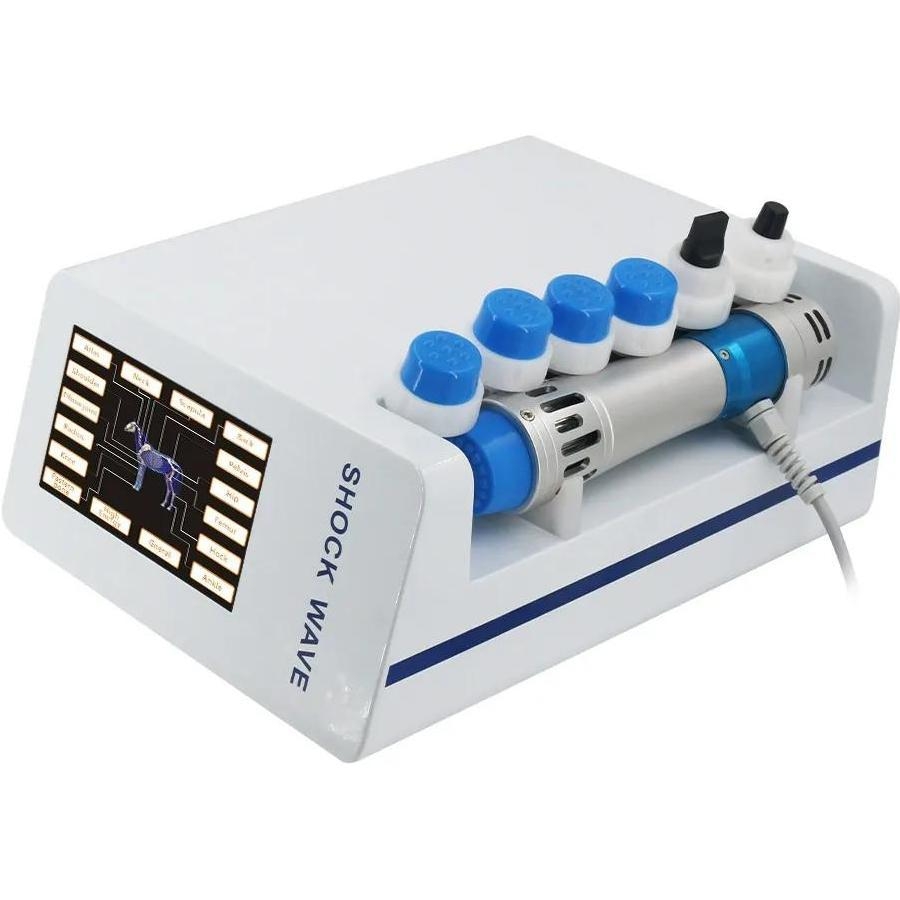
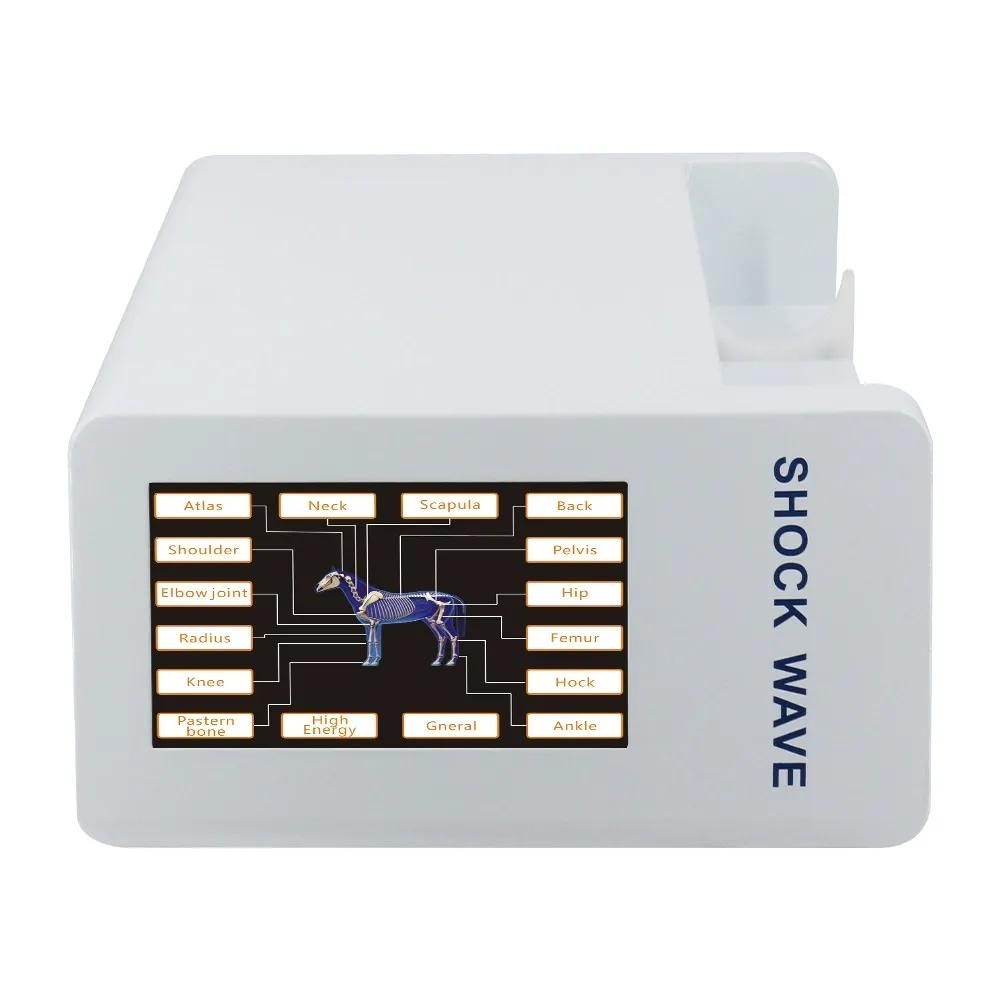
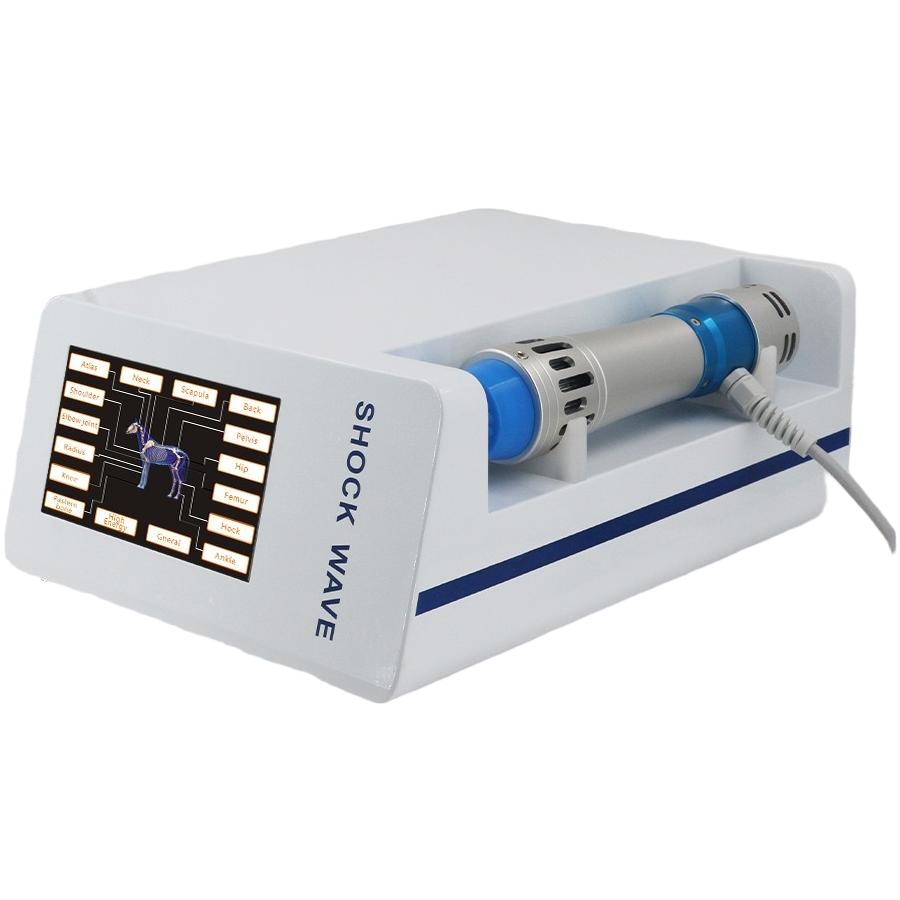
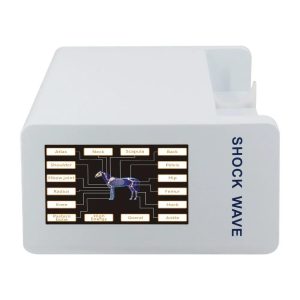
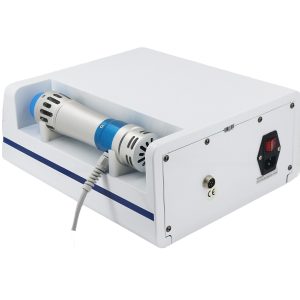
Front Is the Touchscreen — All Connections Sit on the RearThe front face is deliberately simple: only the color touchscreen with the blue horse diagram for settings and treatment selection. The handle rests in a recessed cradle and the seven heads dock on top — but the handle jack, power switch and power inlet are all on the rear panel, keeping the front clean.
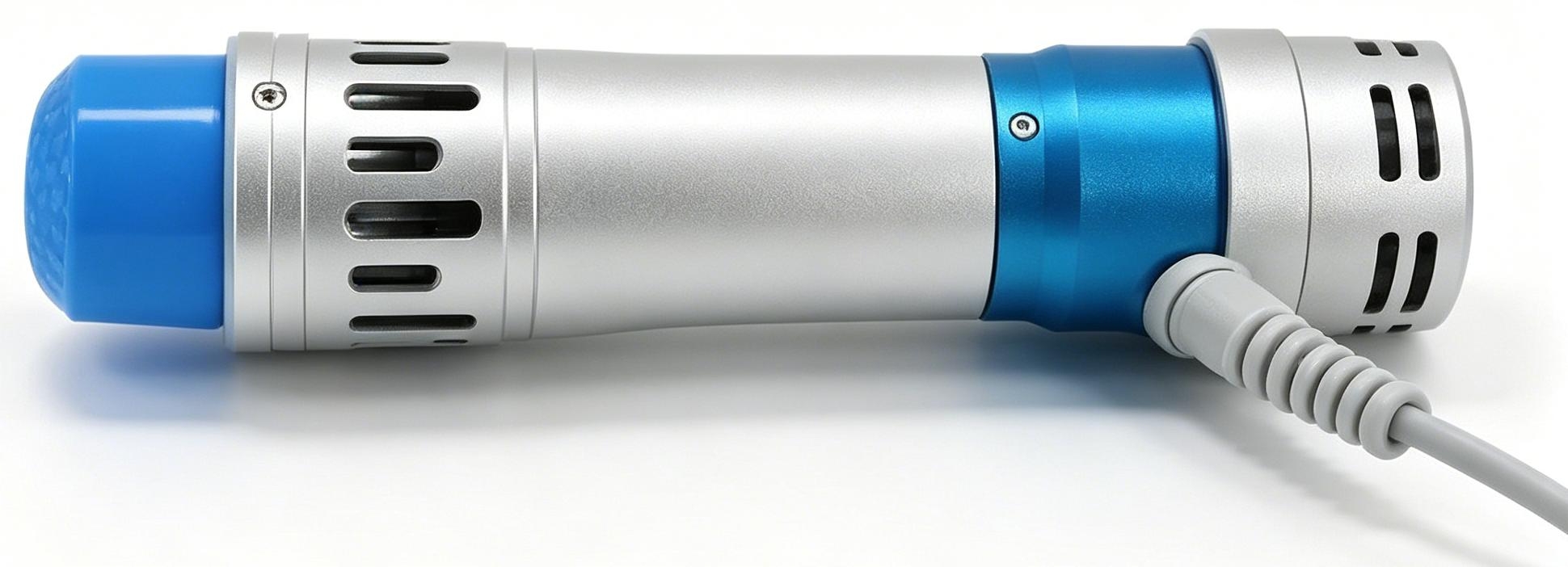
The Heart of Every Treatment
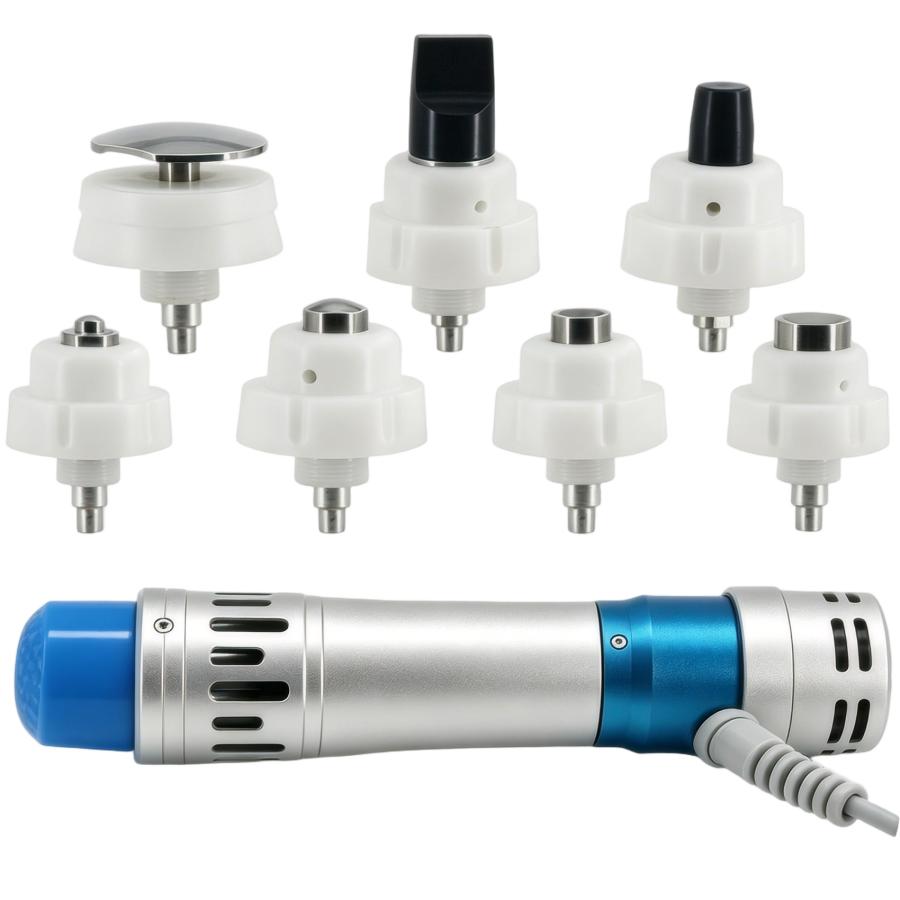
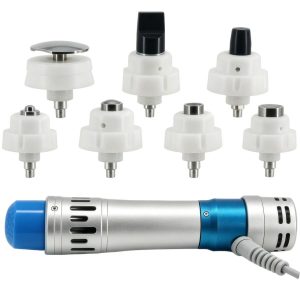
Handheld ApplicatorThis handheld applicator is the working end of the shockwave system — a brushed aluminium handpiece built to sit naturally in your grip through long clinical sessions. A blue domed treatment head screws onto the front and swaps in seconds, while black cooling vents along the body keep it comfortable during repeated use. A built-in handle switch lets you start and stop treatment without reaching back to the unit, and the balanced centre of gravity means the head’s own weight does the pressing — you guide it, you don’t push it. A flexible coiled cable with a locking connector keeps it solid and vibration-proof mid-treatment
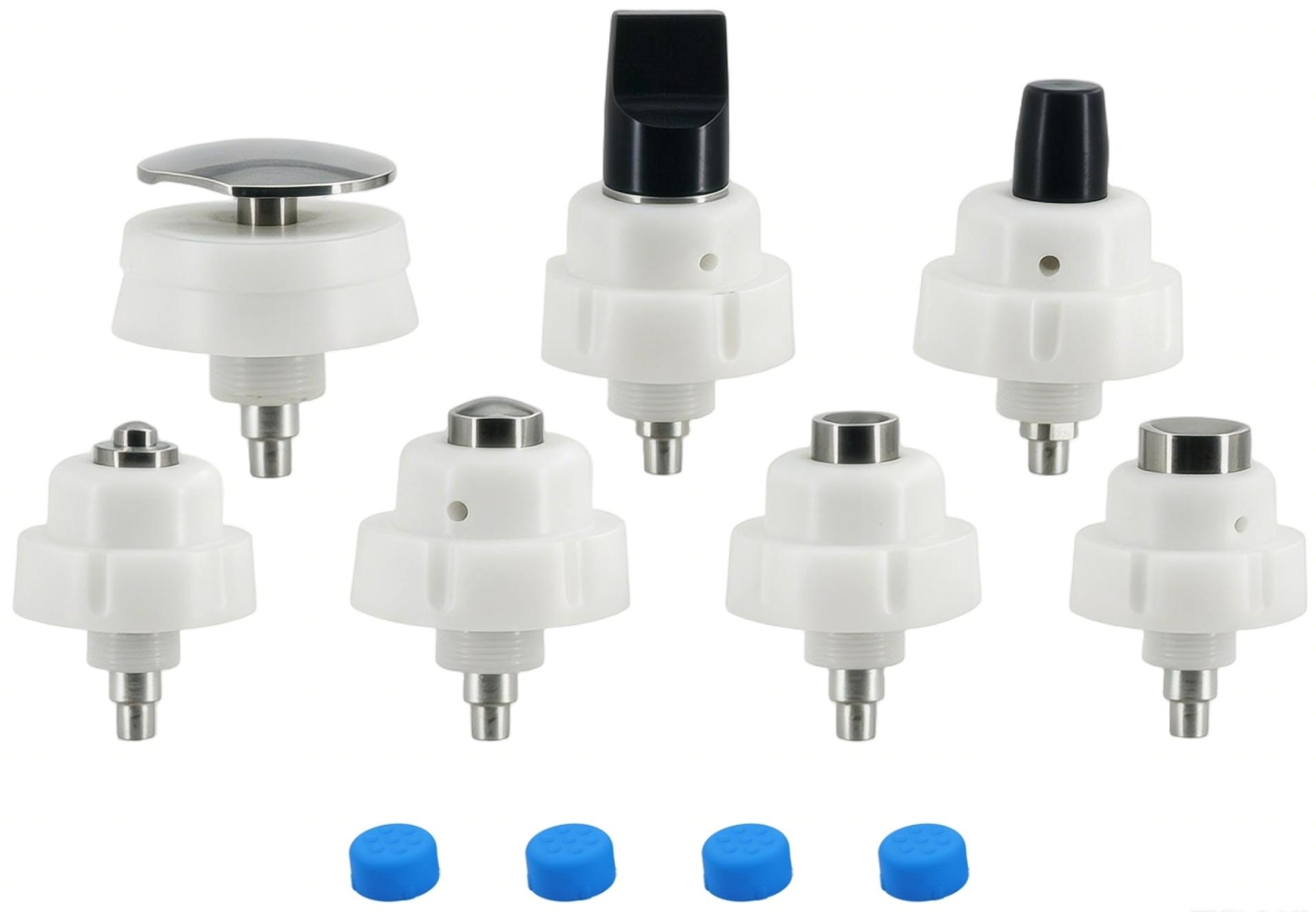
Seven Work Heads & Four Protective Covers
One handpiece covers the whole body. The seven heads range from a broad flat disc for large muscle areas, to small ball and concave tips for tendons and ligaments, to black angled and pointed tips for precise and hard-to-reach spots — swap them by hand in seconds. The four blue silicone covers slip over the heads so you can use gel and move cleanly between horses, keeping lubricant out of the head and avoiding cross-contact.
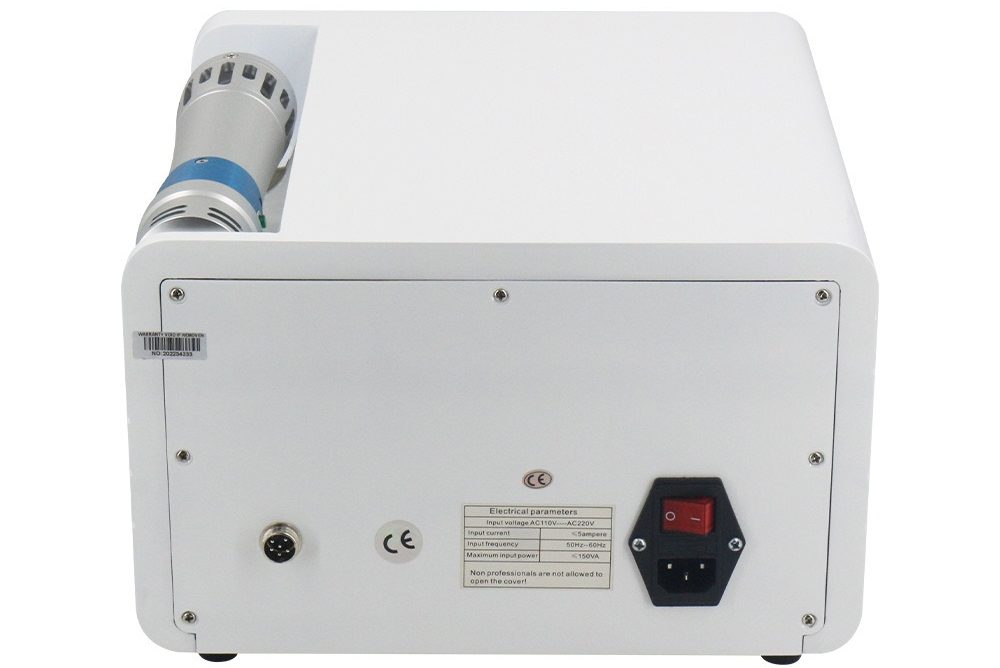
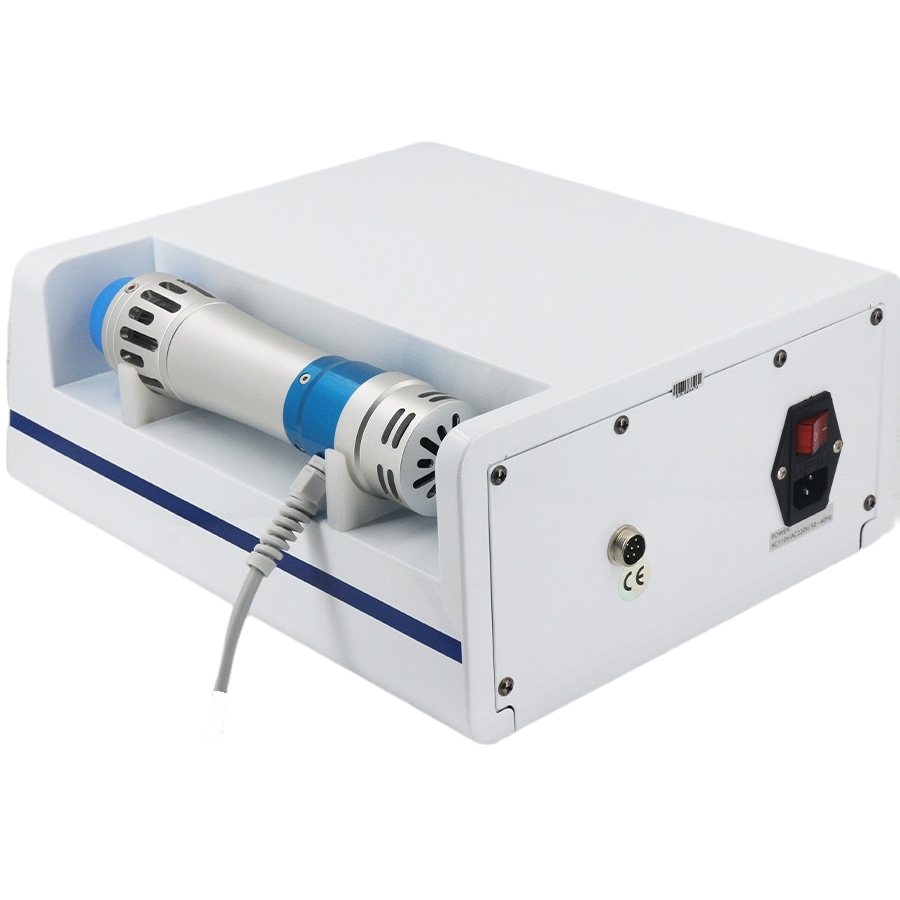
Rear Panel
The panel features a clean, practical design that integrates the power switch, power input port, and connection port for the locking handle. Additionally, the device is CE-certified and comes with a universal power supply; regardless of where your stable or clinic is located, simply plug it in to begin treatment immediately.
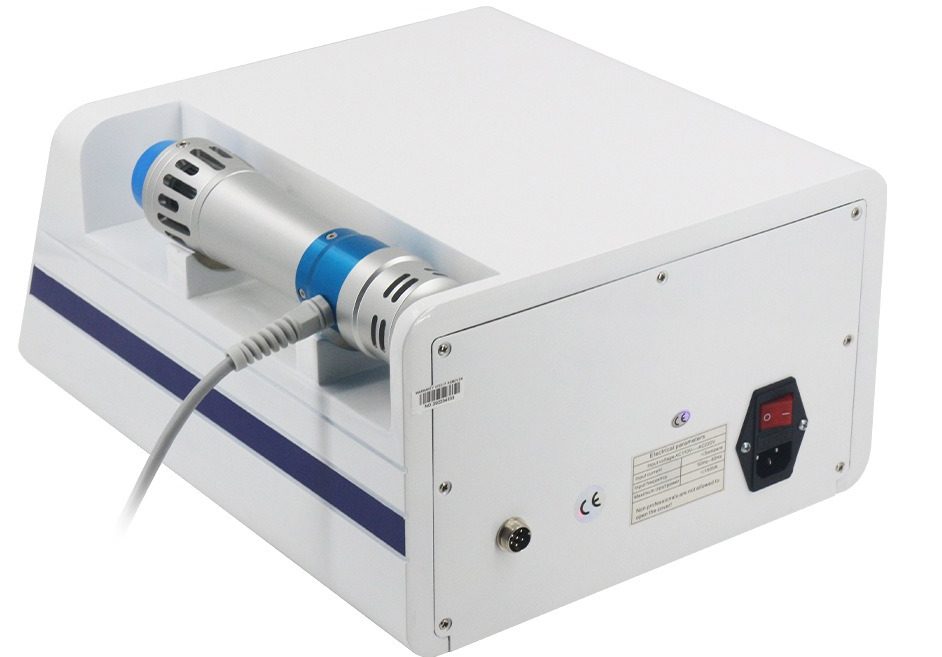
Stable, Portable, Flat-Footed
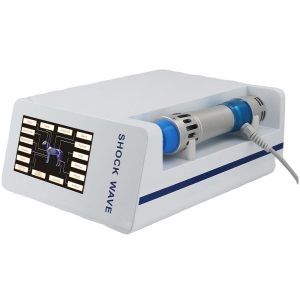
The unit features a compact, white body with a recessed base designed to hold the handheld applicator when not in use; it is accented by a slender blue decorative band, while the rear panel boasts a clean design that integrates the power and connection ports. It sits securely on a tabletop or shelf, keeping the handle docked and ready for immediate use.
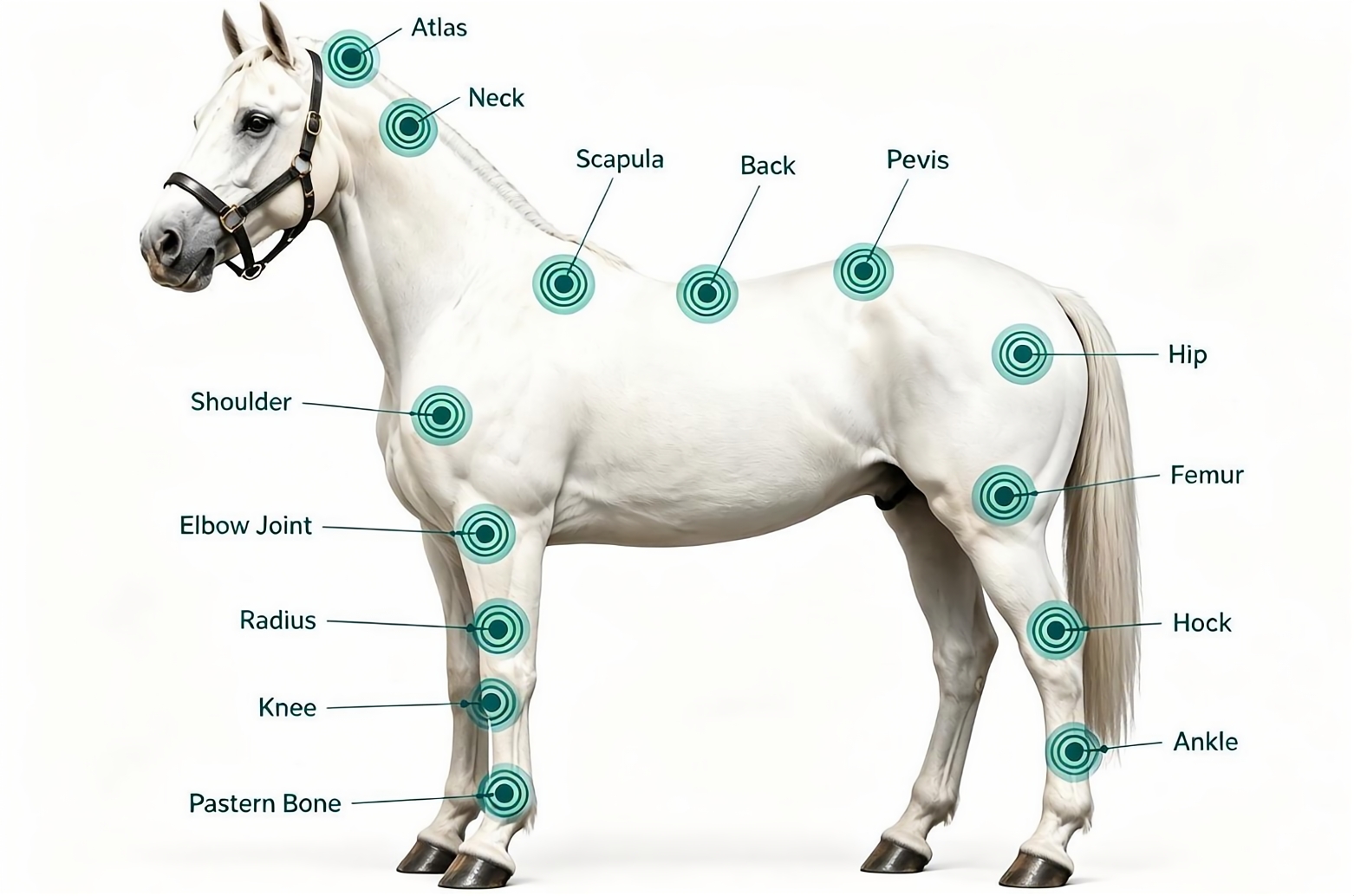
Multiple Preset Treatment Area Selection
The machine provides preset selections for multiple animal body areas, allowing operators to quickly access treatment programs according to different target locations, helps ensure a more organized and efficient treatment process while supporting professional rehabilitation workflows.
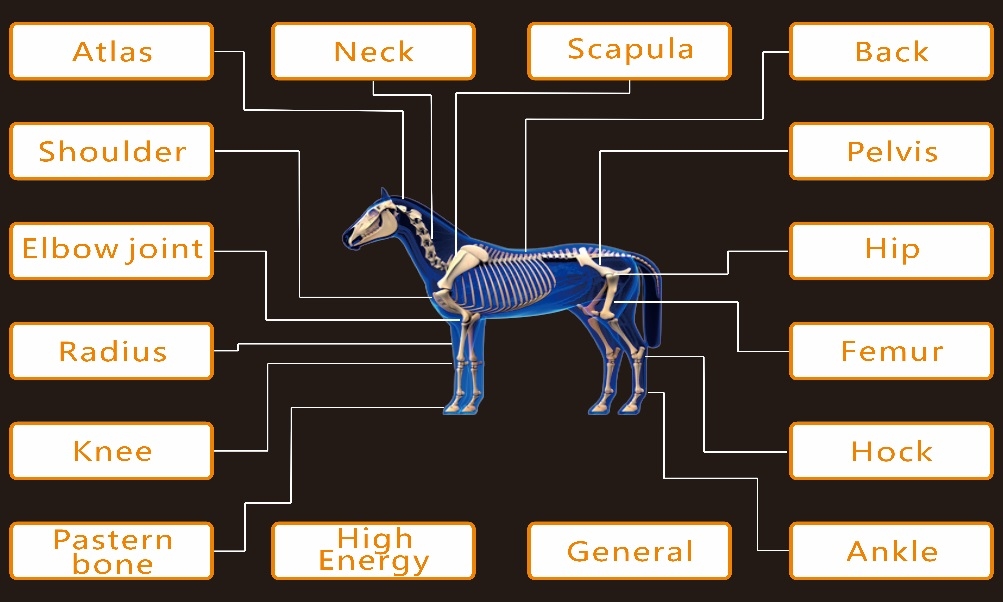
Preset Touchscreen — Point, Tap, Treat
- Select the body part directly on the horse diagram on the touchscreen and it loads a ready-to-use interface. Energy, frequency and pulse count are all on one screen — no manual to read mid-treatment.
- Presets: shoulder, neck, back, hip, hock, knee, fetlock & more Set an auto-pause pulse count (e.g. 2,500 shots) for consistent sessions
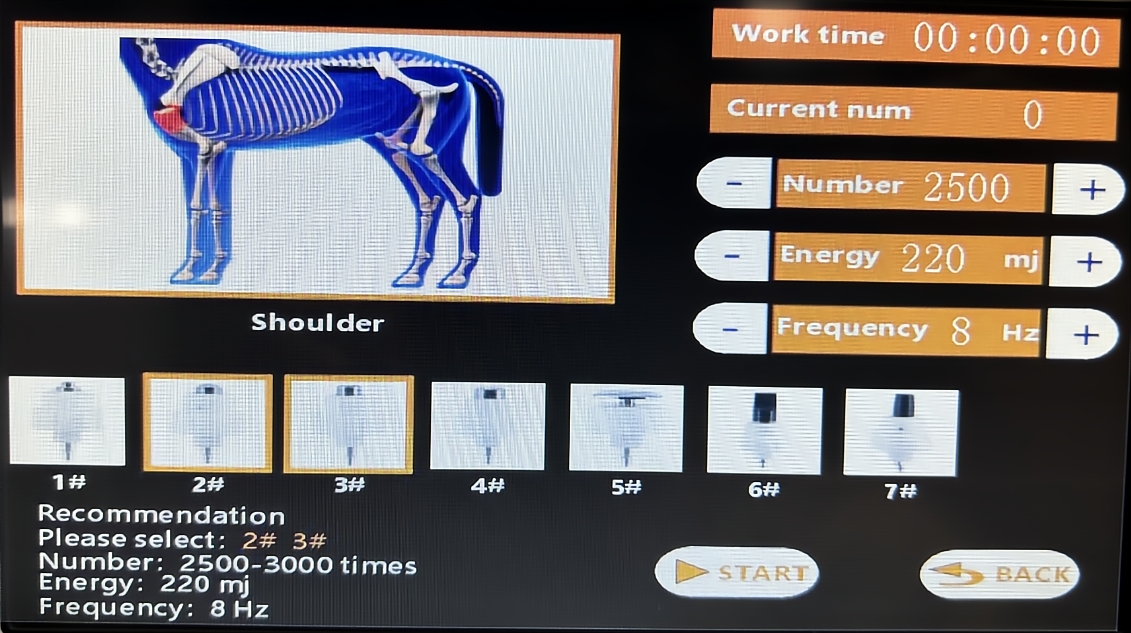
10–300 mJ Energy & 1–18 Hz
Tune the treatment to the injury. Low energy for sensitive muscle trigger points; high energy for deep ligament and bone-related conditions. Precise, repeatable settings on every horse.
- Energy: 10–300 mJ, adjustable in small steps
- Frequency: 1–18 Hz, adjustable
- Weight of the head does the work — no hard pressing needed
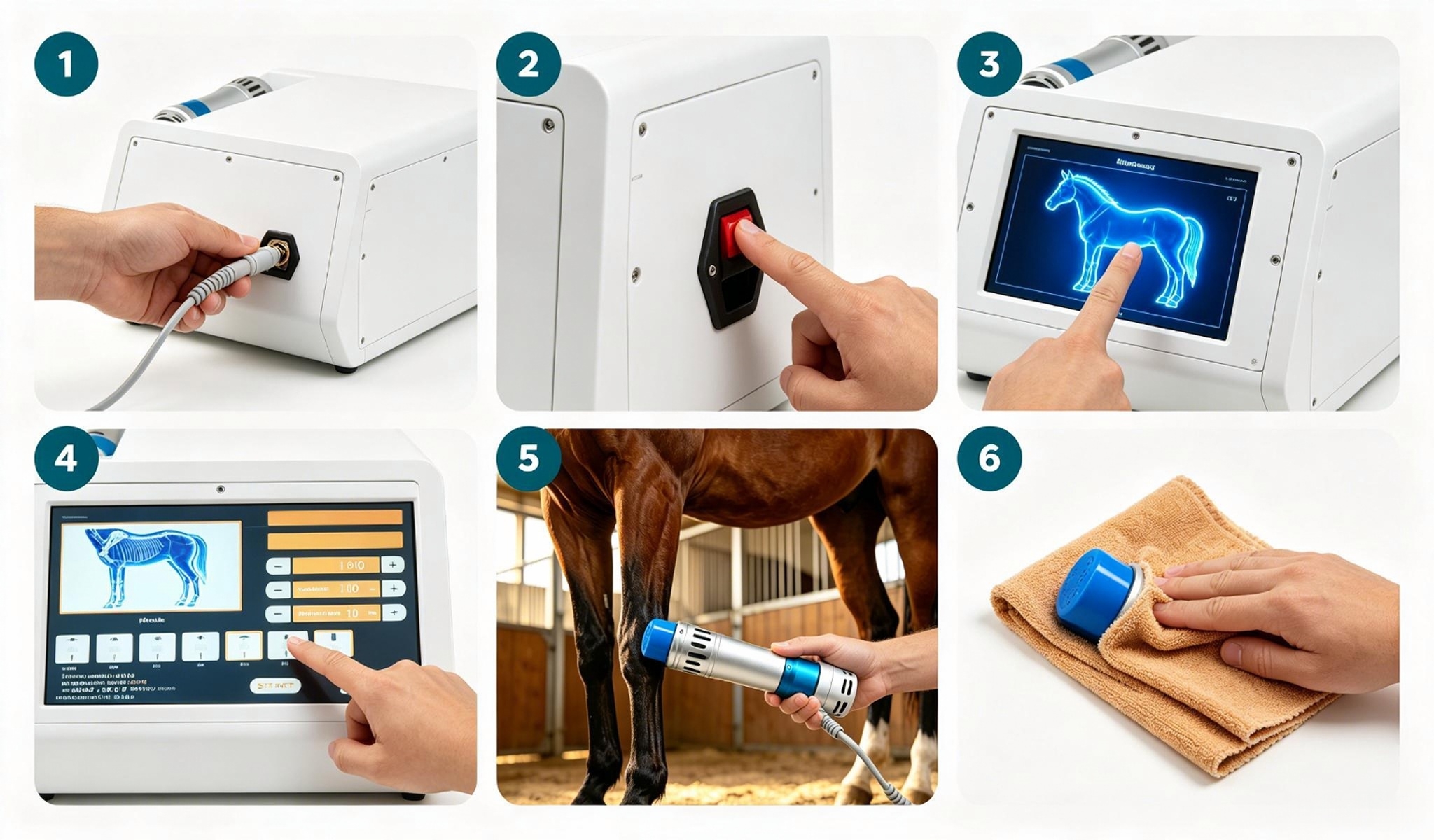
How to Use — Operation Guide
Step 1・Connect the applicator
Insert the shockwave handle plug into the output jack on the rear panel. Choose the right work head, unscrew the old one anticlockwise, then screw the new head on clockwise until tight.
Step 2・Power on
Plug the power cable into the socket, then press the main power switch on the rear panel. The touchscreen lights up.
Step 3・Pick the treatment area
Tap the corresponding body part on the horse diagram on the screen (e.g. Shoulder). The system covers 16 equine body parts and loads that part’s preset.
Step 4・Set energy & frequency
Number (pulse count): the machine auto-pauses when it reaches the set count (e.g. 2,500 shots) — tap the screen to continue.
Frequency: default 8 Hz, adjustable 1–18 Hz with the +/− buttons.
Energy: default 220 mJ, adjustable 10–300 mJ with the +/− buttons.
Press ► START to begin; press again to stop.
Step 5・Treat
Clean the treatment area. Hold the applicator lightly on the point — the head’s own weight does the work, so no hard pressing is needed. Adjust energy and frequency to the severity of the injury.
Step 6・Clean up
After treatment, wipe the area and the work head with a warm towel. If you use gel, fit the blue protective cover over the head first so lubricant never enters the work head.
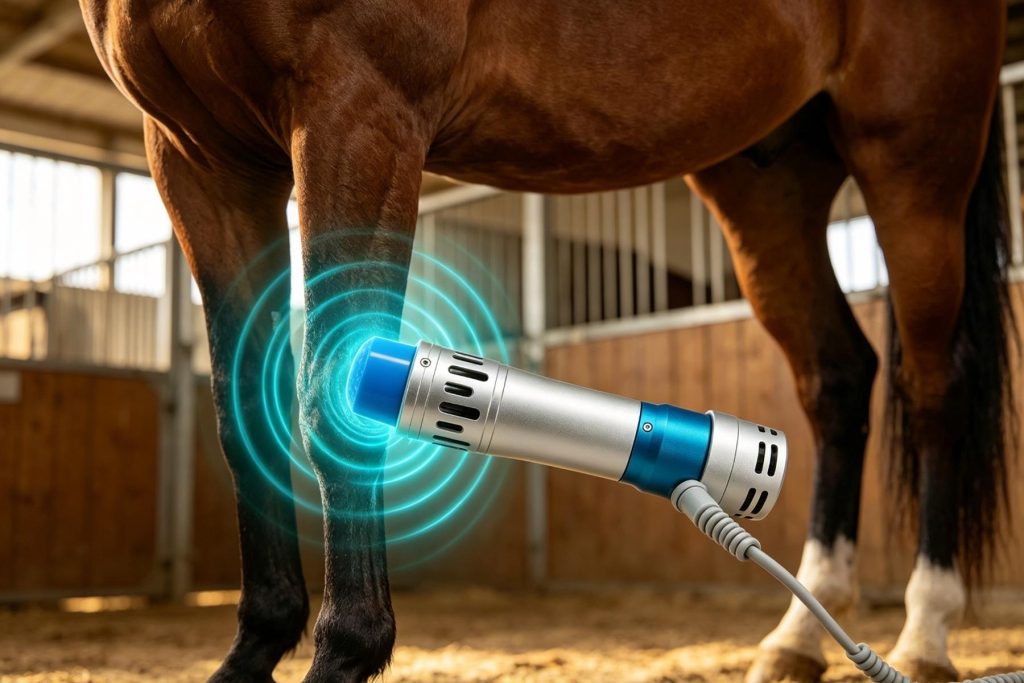
How Many Sessions? How Long Until You See a Difference?
Most horses need 3–6 sessions, spaced roughly 1–2 weeks apart. You’ll often notice the first signs within the first 1–2 treatments — better movement, less stiffness, improved willingness to work. Acute and soft-tissue cases respond faster than chronic, long-standing conditions.
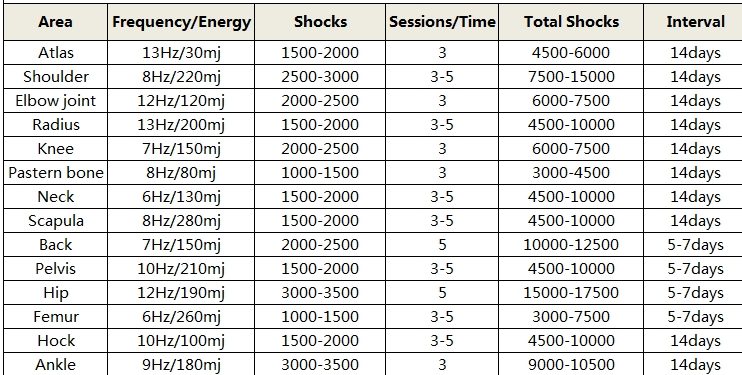
Built-In Treatment Recommendation Guide
Don’t guess the settings. For every body part, the machine pairs a recommended frequency, energy level, shock count and interval — from 6 Hz / 130 mJ for the neck to 12 Hz / 190 mJ for the hip, with total shocks and session spacing worked out for you. Just match the area on screen and start.
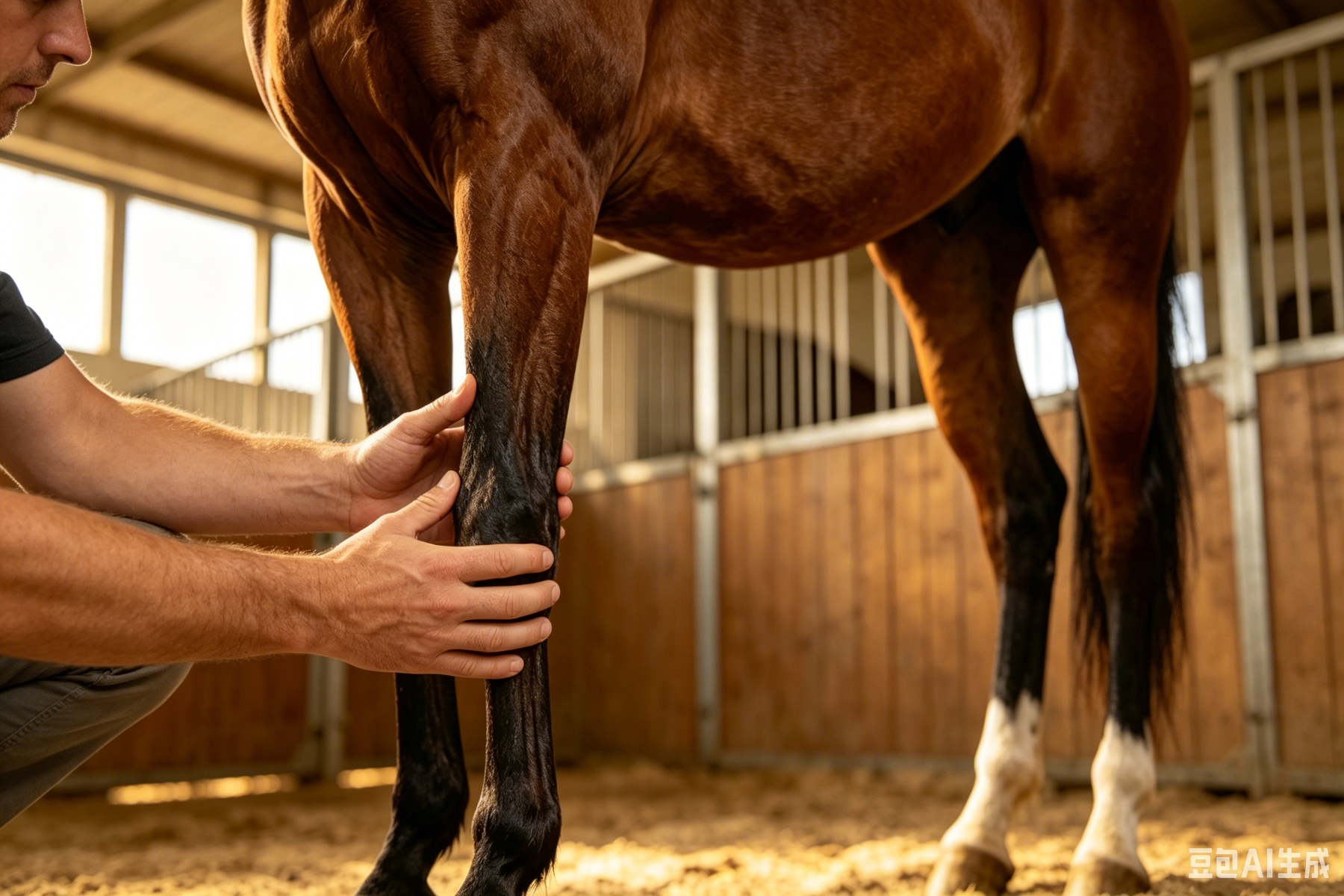
Strains, bruising, recent tendon/ligament pulls.
3–4 sessions, ~14 days apart.
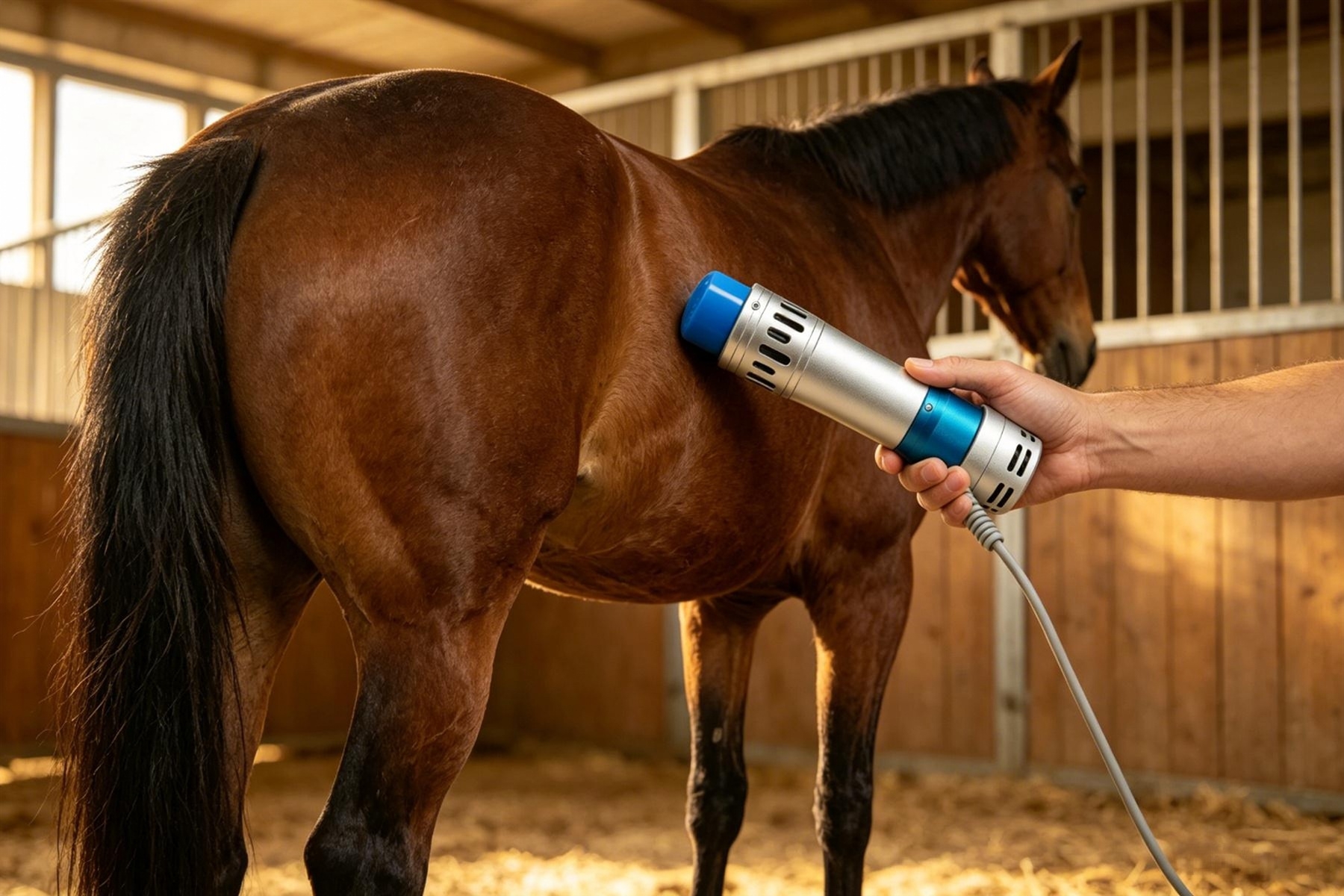
Recurring tendon, back pain, scar tissue.
5–6 sessions, 7–14 days apart.
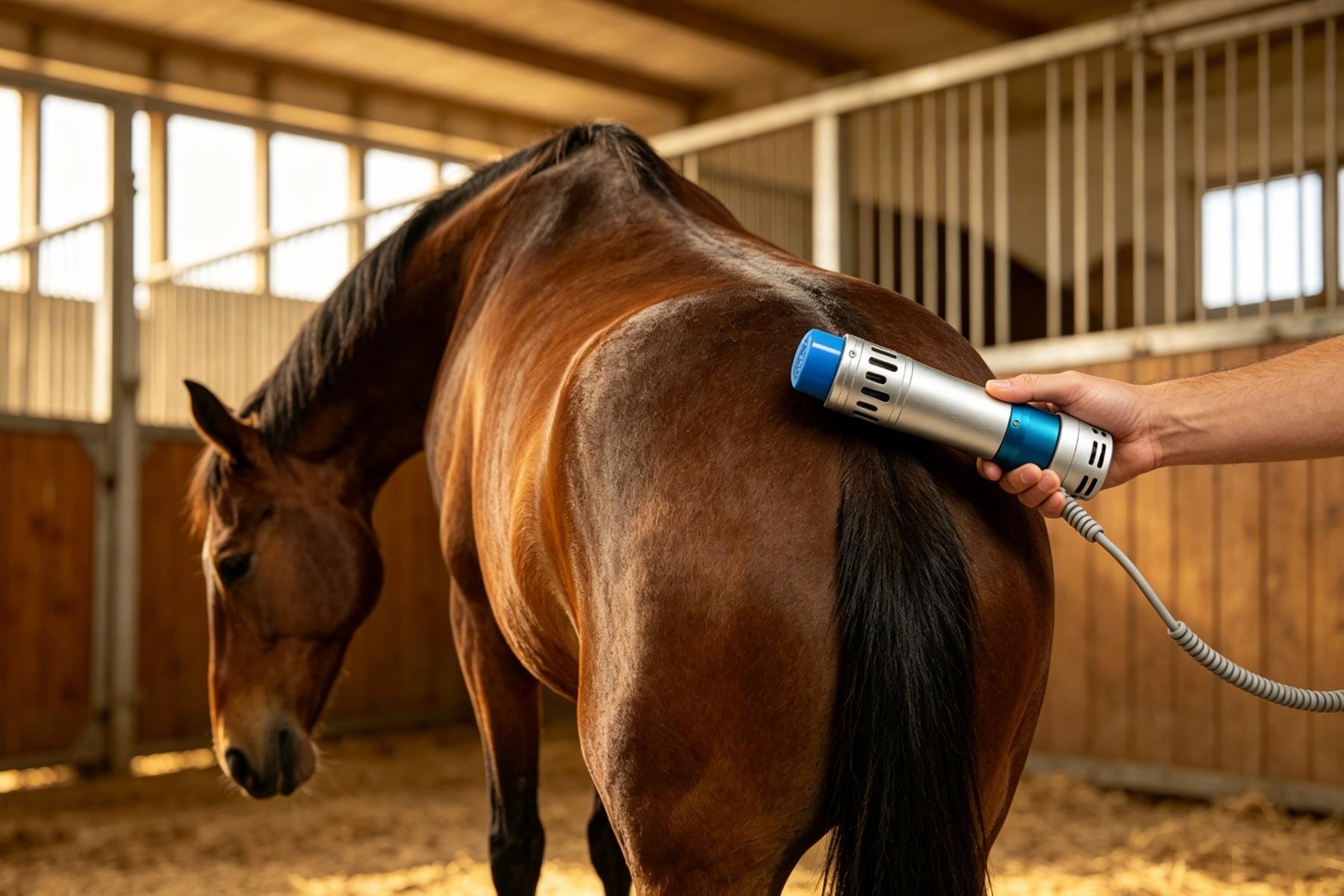
Senior horses, competition-season upkeep.
Booster sessions every few weeks.
Built for the Barn, the Clinic and the Track
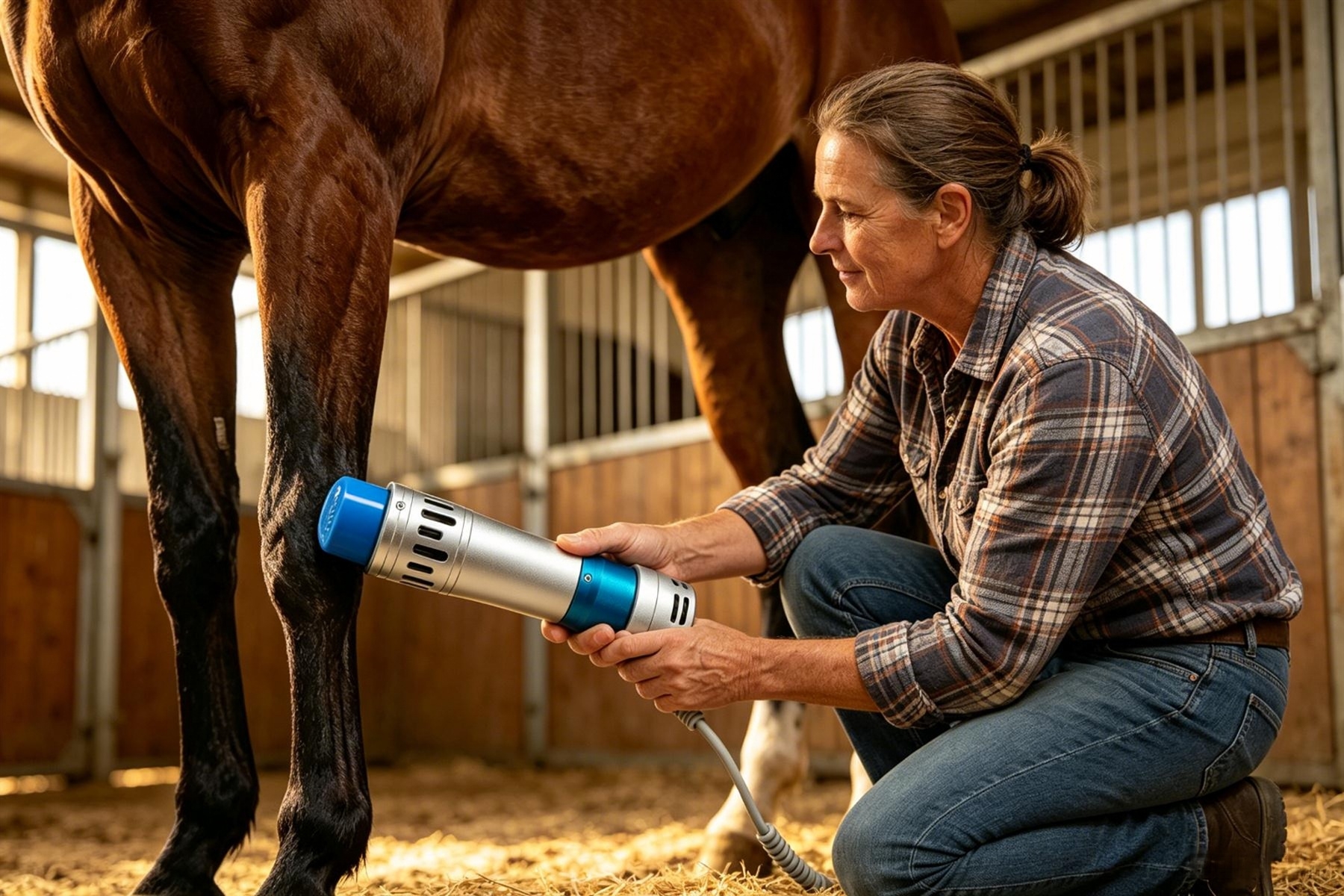
Horse Owners
Treat post-training recovery right in your own barn — no waiting for specialists, no per-session fees.
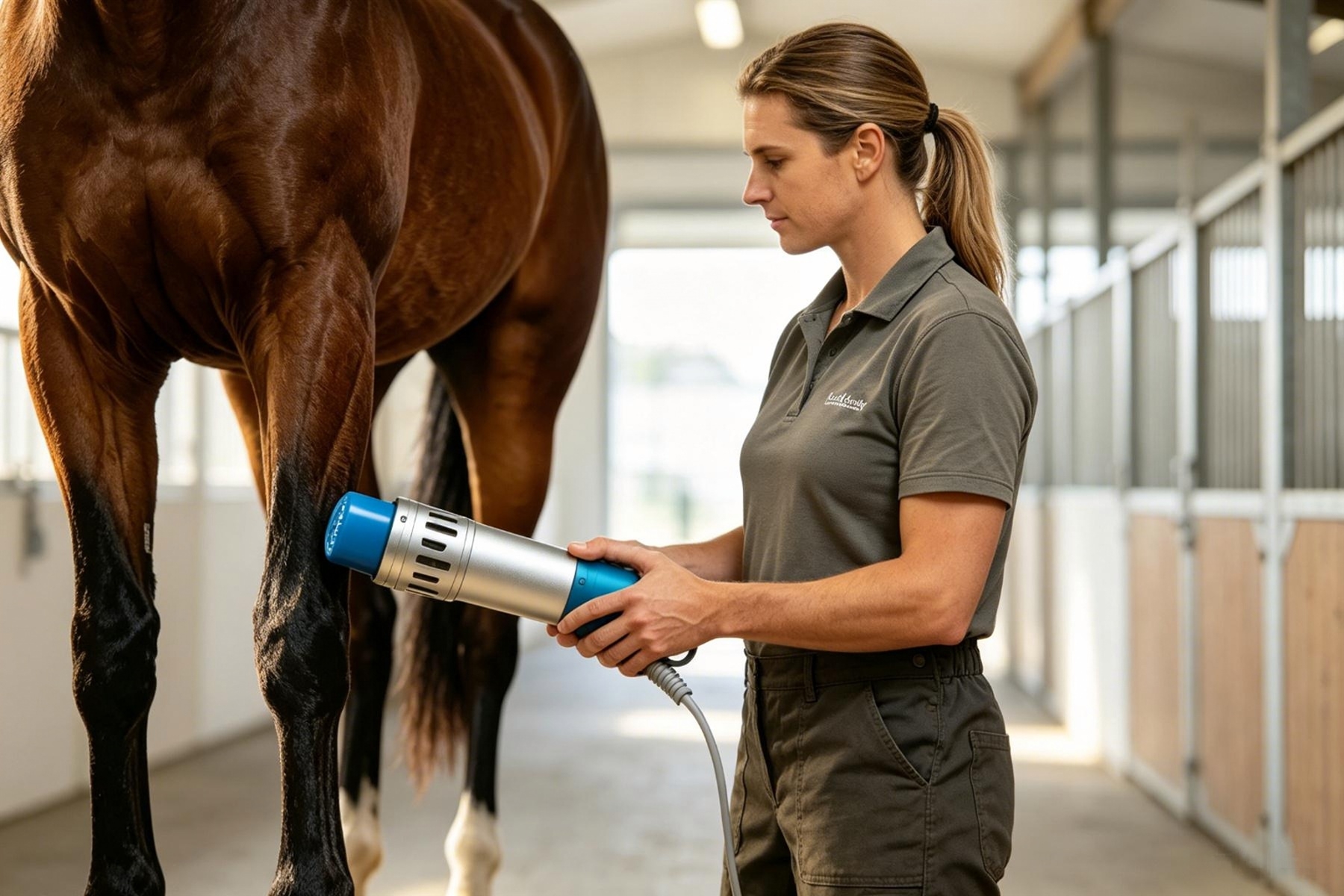
Equine Physiotherapists
Bring it to the barn. A compact, self-contained unit — set up fast, treat several horses in one visit, pack up and move on.
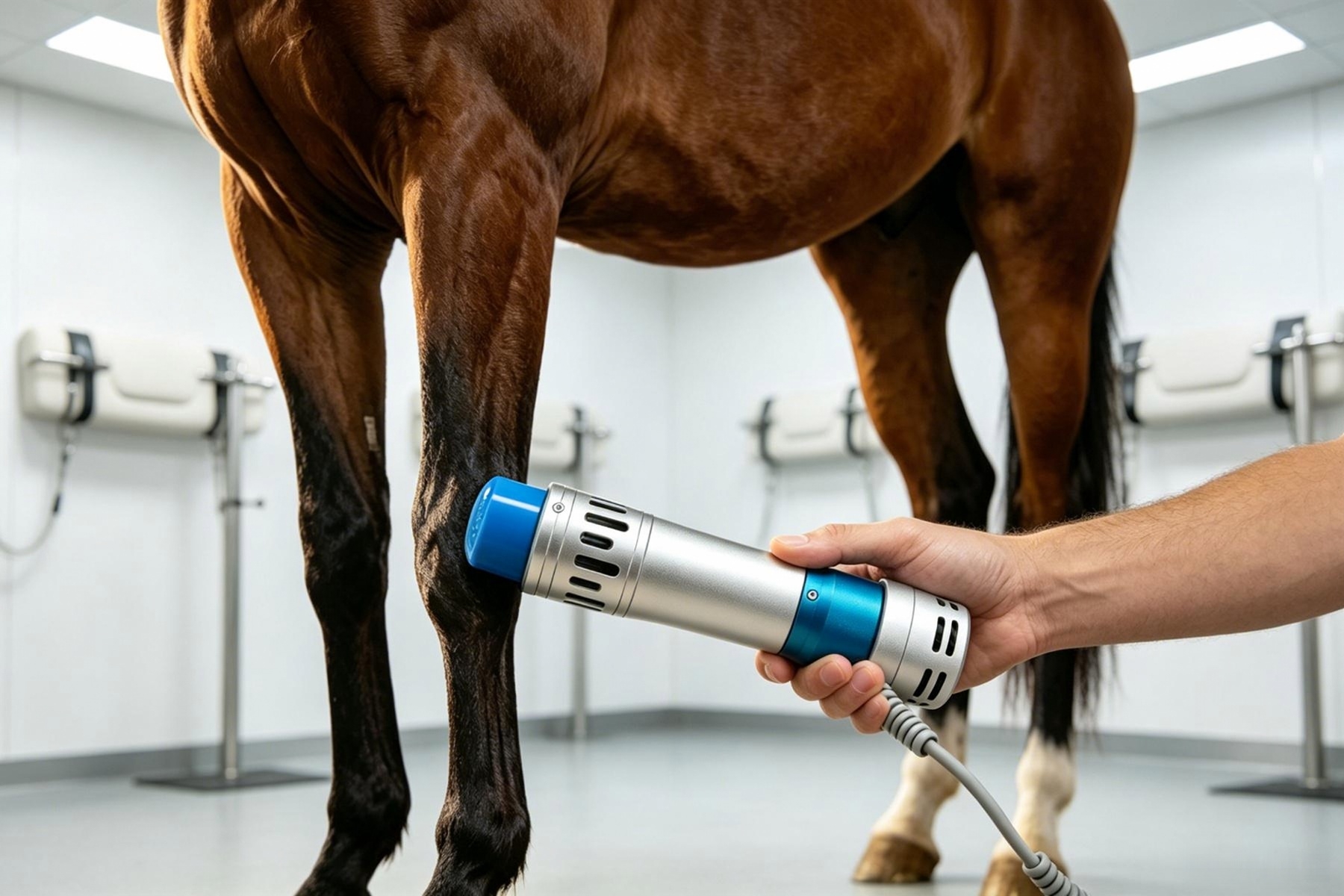
Clinics & Vet Hospitals
Keep routine tendon, ligament and back cases in-house. Faster for clients, better use of your time, and a service that brings them back.
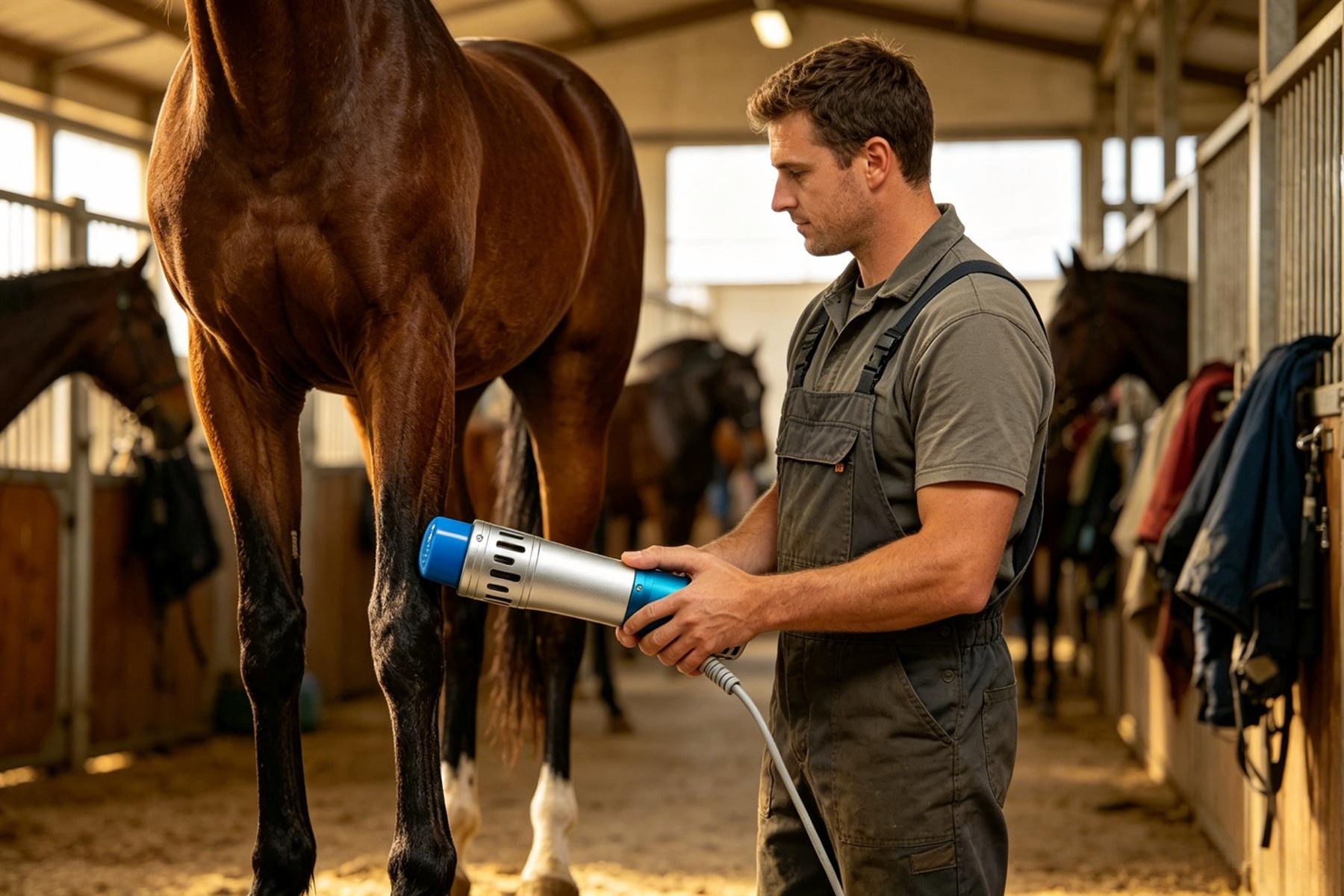
Racetracks & Pro Stables
Time off is money off. Speed recovery between gallops and races — no drug cycles, no long layoffs, through a packed calendar.
What You Get
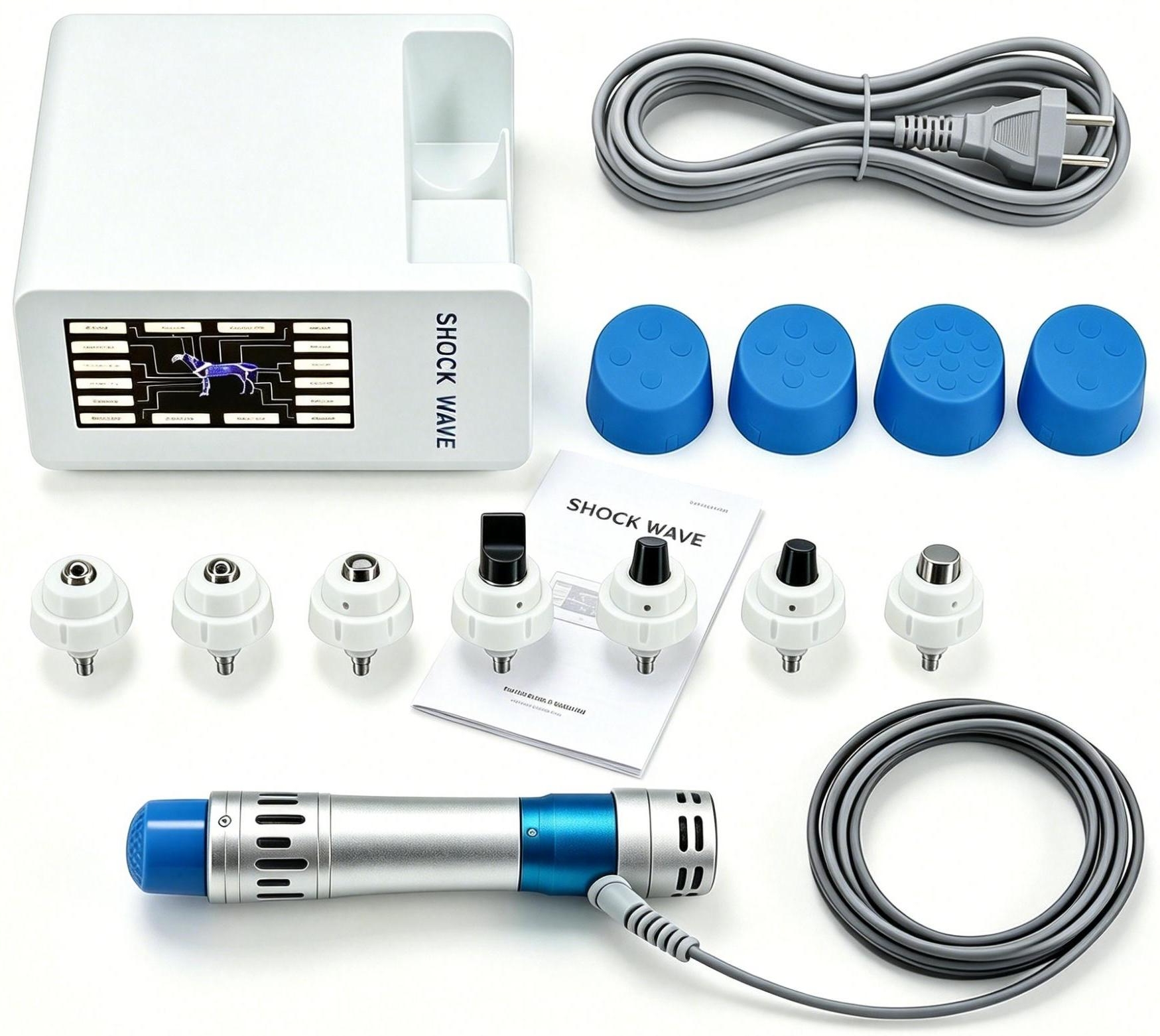
1 × main unit · 1 × handheld applicator · 7 × work heads · blue protective covers · power cable · user manual · video training accessFrequently Asked Questions
Contraindications & When Not to Treat
Open wounds, infections or fractures in the treated area
Shockwave is non-invasive and drug-free, but it isn’t right for every situation. Do not treat
Pregnant mares — shockwave near the abdomen or any pregnant animal
Active tumors or cancer in or near the treatment area
Blood-clotting disorders or animals on anticoagulant therapy
Young, immature horses over active growth plates
Over the neck spine (above the withers) or directly over major nerves/bone without professional guidance
It is a device that delivers focused acoustic shock waves into a horse’s injured tendons, ligaments or muscles to stimulate natural healing. The Shockwave therapy device for horses is a portable touchscreen model with 10–300 mJ energy and 1–18 Hz frequency.
Yes, when used by or under the supervision of a qualified equine professional. It is non-invasive, requires no steroids or sedation, and energy is adjustable from 10 mJ to 300 mJ.
It is designed for barn-side use and ships with video training. Because settings depend on the injury, we recommend your first session be guided by a vet, physiotherapist or trainer.
Commonly used for suspensory ligament injuries, joint collateral ligaments, nuchal ligament issues, muscle trigger points, chronic back pain, hip/elbow dysplasia, tendinopathy and painful scar tissue.
Reviews (0)
Be the first to review “Shockwave therapy device for horses”
You must be logged in to post a review.
Related products
Reviews
There are no reviews yet.