

Veterinary Blood Pressure Monitor
£103.18 GBP
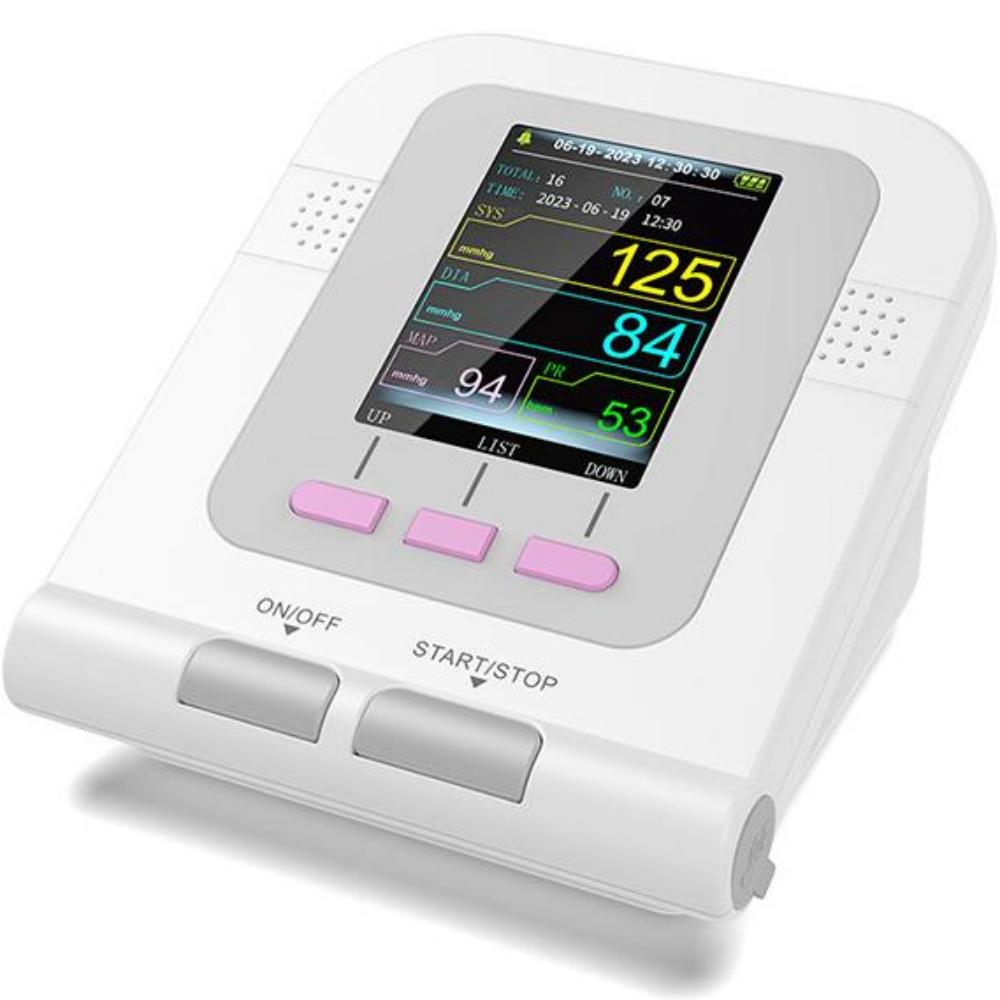
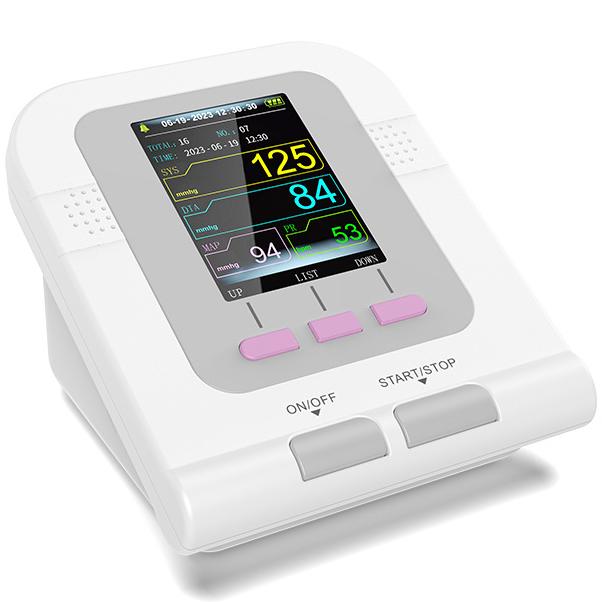
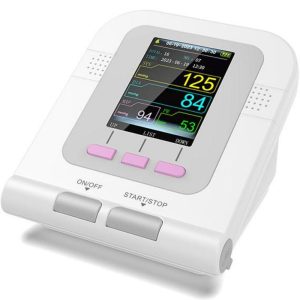
This is a specialized digital sphygmomanometer calibrated for animal physiology — not a human cuff repurposed for pets. It uses the oscillometric measurement method, the same technology trusted in veterinary clinics worldwide. Unlike human monitors, it supports the much faster heart rates of animals (up to 240 beats per minute) and comes with correctly sized cuffs designed specifically for animal limbs.
- 100 Memory Storage
- 3 Cuff Sizes Included
- USB Data Transfer
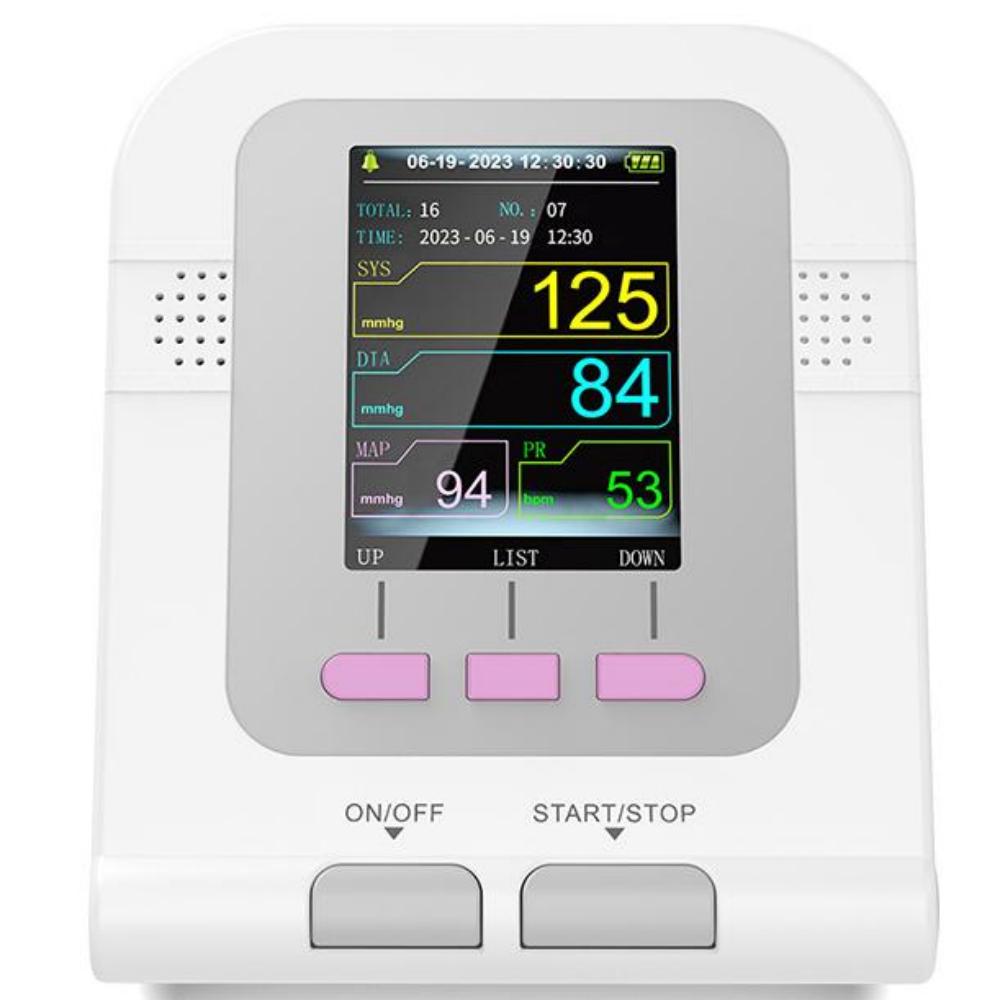
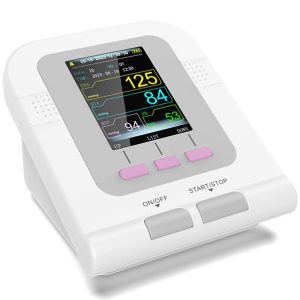
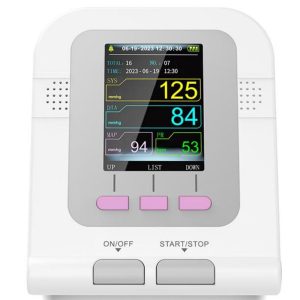
- Color LCD Screen
- Full refund if not satisfied
Description
Key Features

Veterinary-Grade Accuracy
Oscillometric measurement method calibrated specifically for animal physiology. ±3 mmHg clinical accuracy, meeting international veterinary medical device standards
Why does this matter? Human blood pressure cuffs adapted for pets give unreliable readings. This monitor is calibrated specifically for dogs and cats — so the numbers your vet sees are data they can actually trust for diagnosis and treatment.
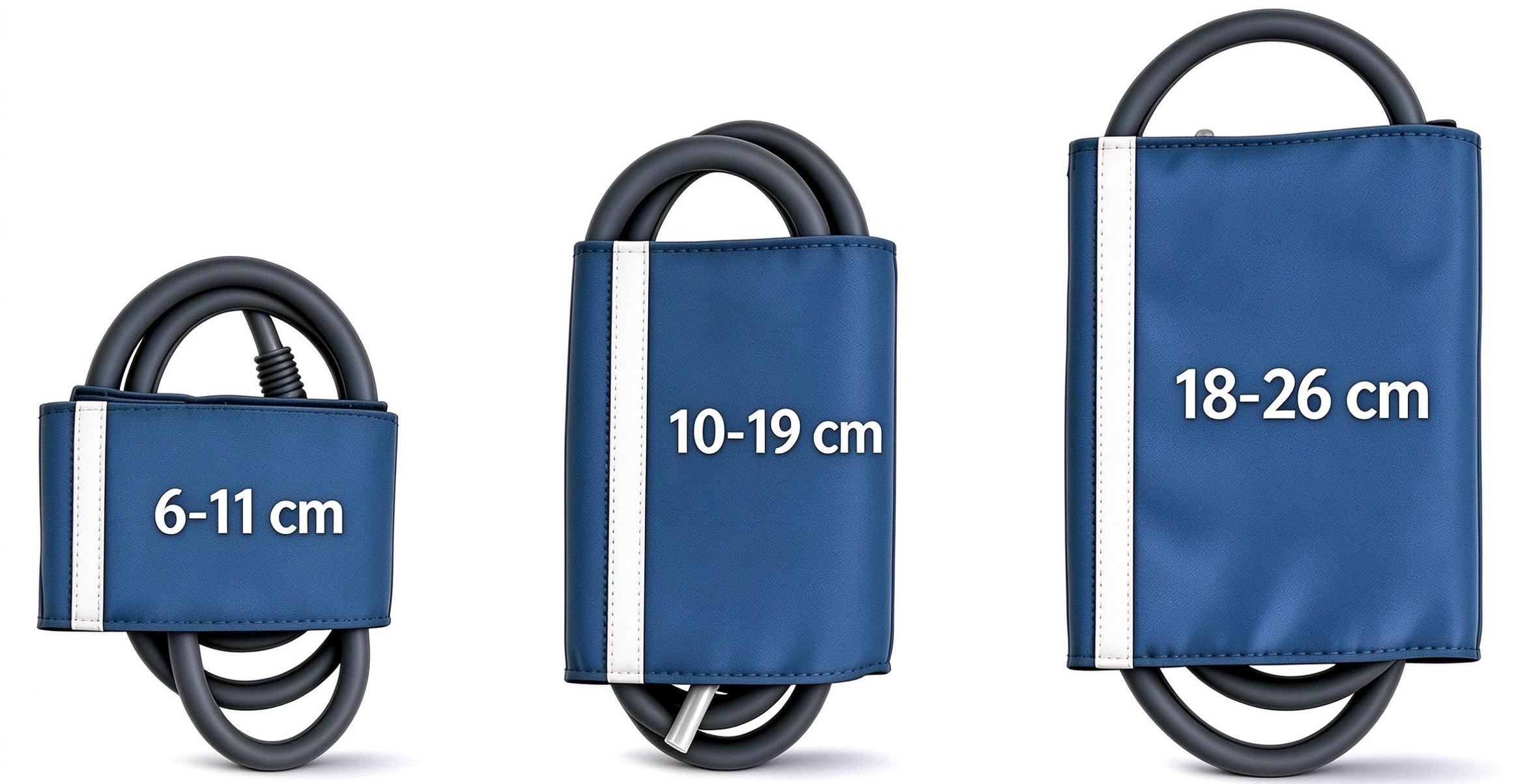
3 Cuff Sizes Included
Three cuff sizes included in every order. Small for cats (6-11cm), medium for medium dogs (10-19cm), large for large breeds up to Great Danes (18-26cm).
The right cuff size is the #1 factor in accurate readings. Too small = falsely high. Too big = falsely low. With all three sizes included, you’re covered from a 5-pound cat to a 150-pound Great Dane — no need to buy extra cuffs separately.
Color LCD + 100 Memory
2.8-inch color LCD display with large, easy-to-read numbers. Stores up to 100 readings with date and time stamps. Track long-term trends, not just one-time numbers.
Blood pressure isn’t about one number — it’s about the trend over weeks and months. The color screen makes readings clear at a glance. The 100-memory function automatically saves every reading with date/time, so you can show your vet real trends instead of guessing.
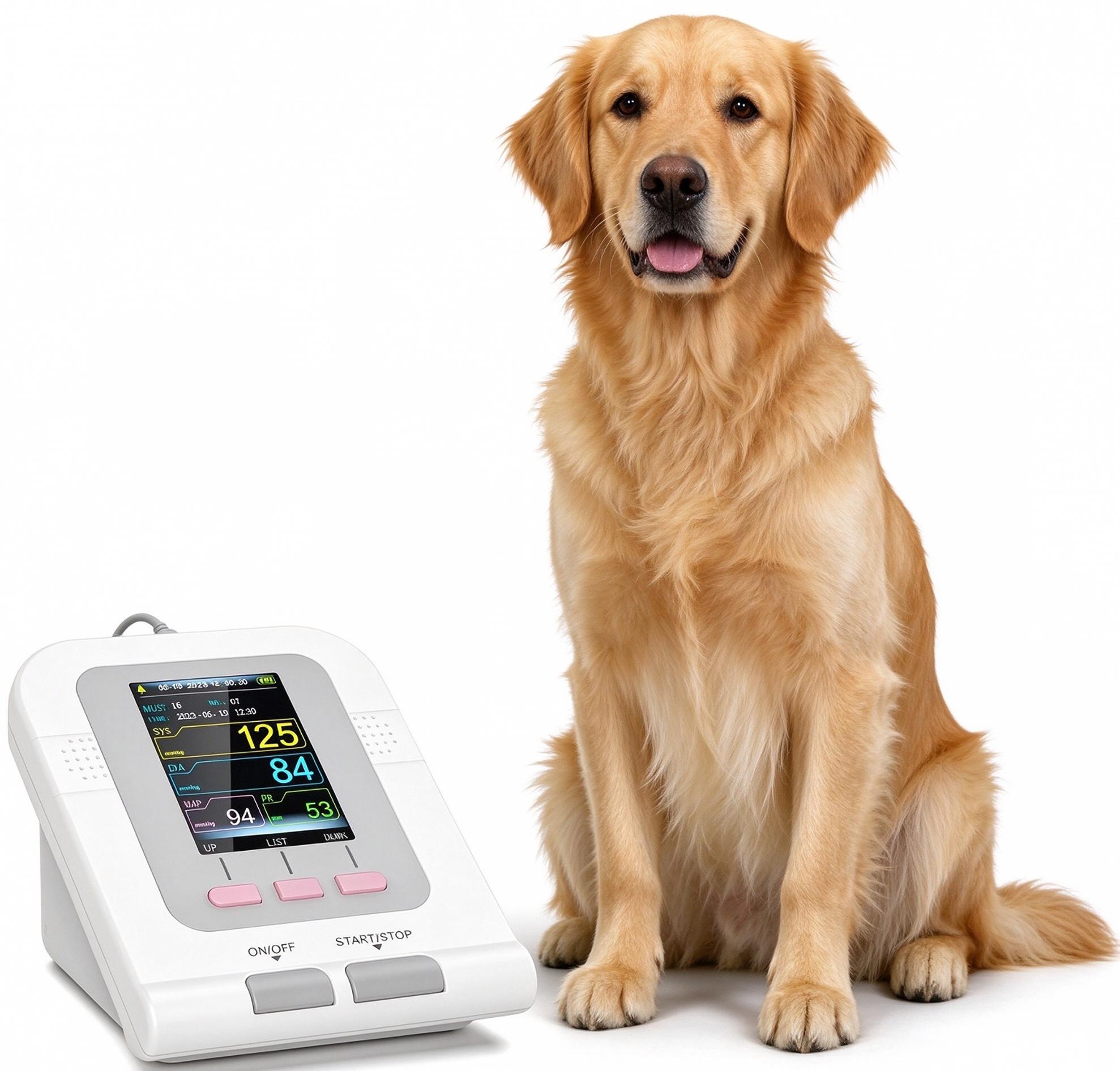
Works for Clinics & Home
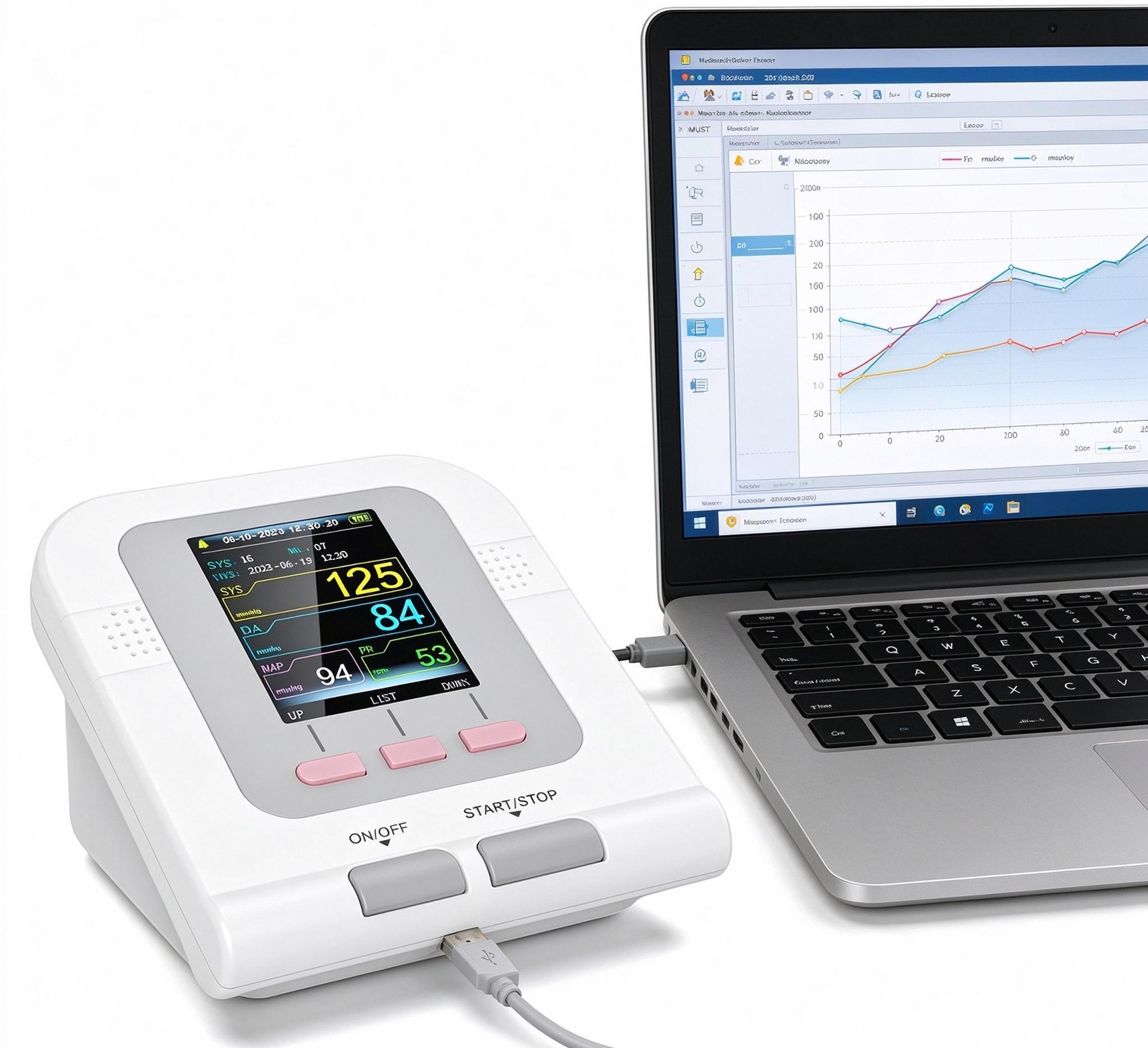
One-touch operation — simple enough for pet owners at home, professional enough for veterinary clinics. USB data upload for detailed trend reports.
No training needed. Press one button and it measures automatically. Whether you’re a pet owner monitoring your senior dog at home, or a small clinic adding BP services — it works the same, and the data is consistent.
Why It Matters
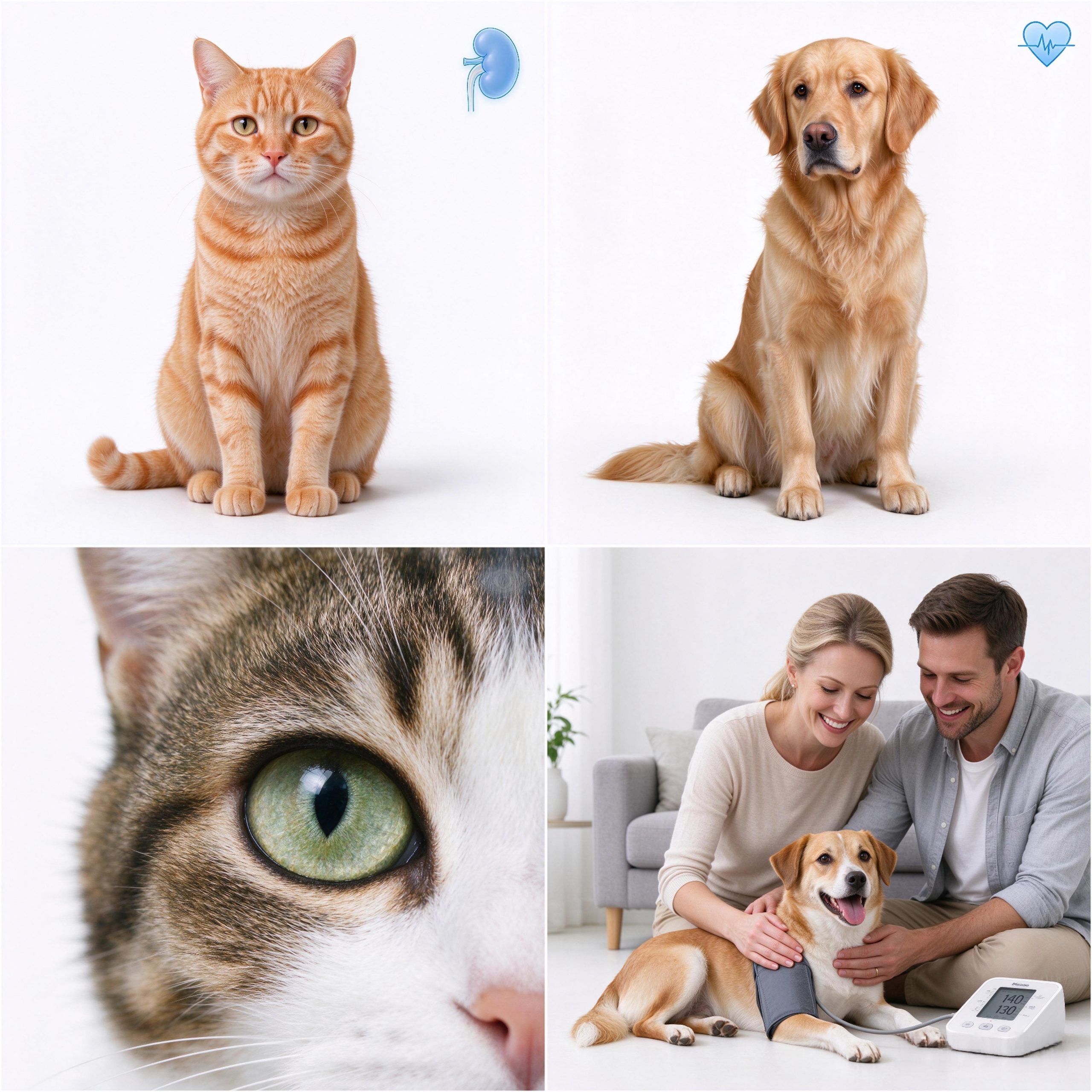
Silent Hypertension Is Damaging Your Pet Right Now
High blood pressure in pets is often called “the silent killer” — most owners don’t know their pet has it until it’s too late. 65% of chronic kidney disease cats have hypertension, and elevated BP accelerates kidney damage month by month. In dogs, high blood pressure is the earliest warning sign of mitral valve disease and heart failure. Severe hypertension can also cause retinal detachment — leading to sudden, permanent blindness, often the first symptom owners notice. Most owners never check blood pressure at home, so by the time symptoms appear, organ damage is already advanced and irreversible. Early detection = better treatment outcomes. Don’t wait for symptoms.
Who Is This For
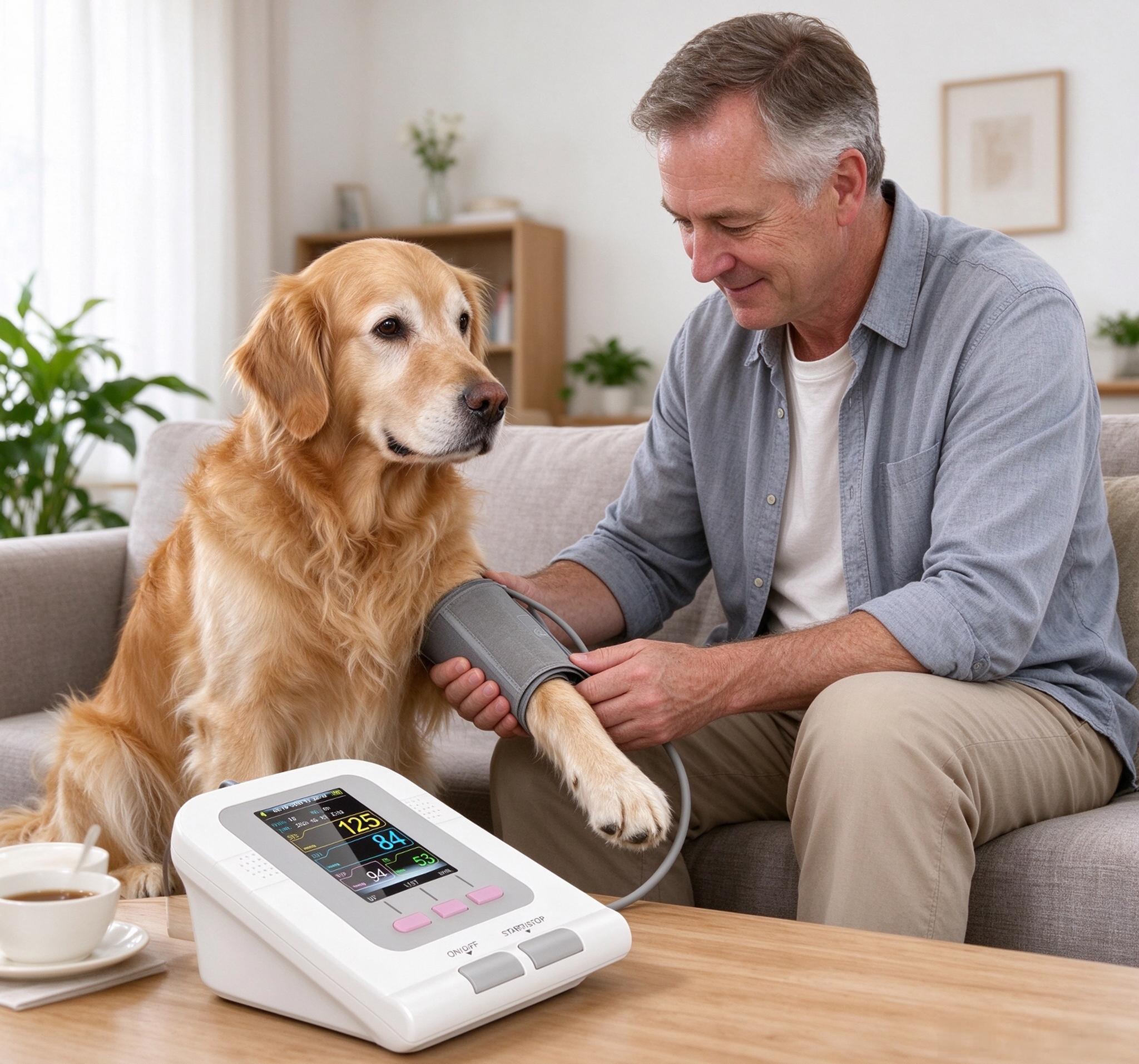
Senior Dog Parents
Your vet wants weekly blood pressure checks for your aging dog with a heart condition. Clinic visits are expensive and stressful for your pet. Measure at home in familiar surroundings — consistent, reliable data your vet can actually trust.
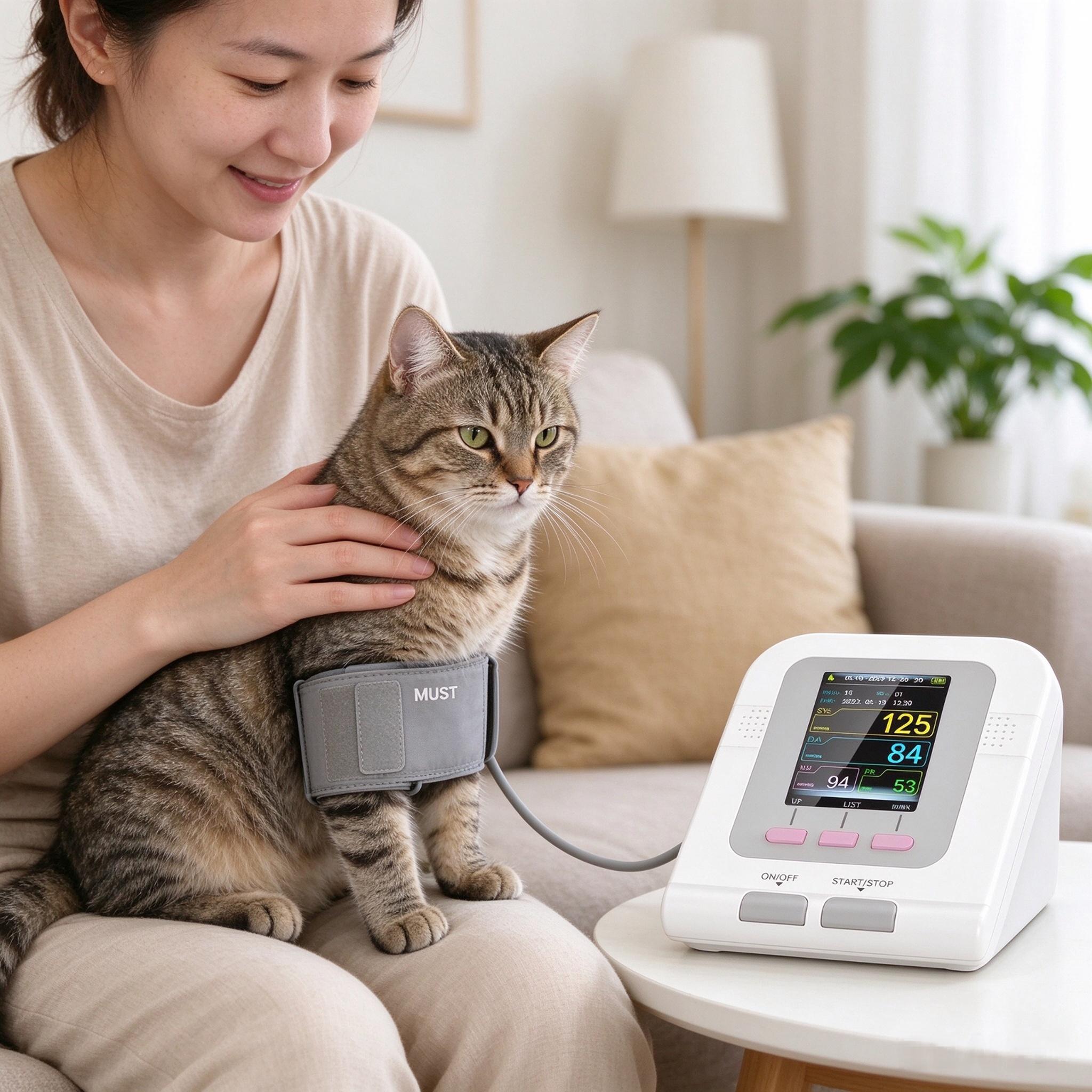
Owners of Cats with Chronic Conditions
Your cat has kidney disease, hyperthyroidism, or a heart condition. Your vet says monitor blood pressure closely — but how? One-touch operation, small cuff fits feline limbs perfectly. Track trends over weeks automatically.
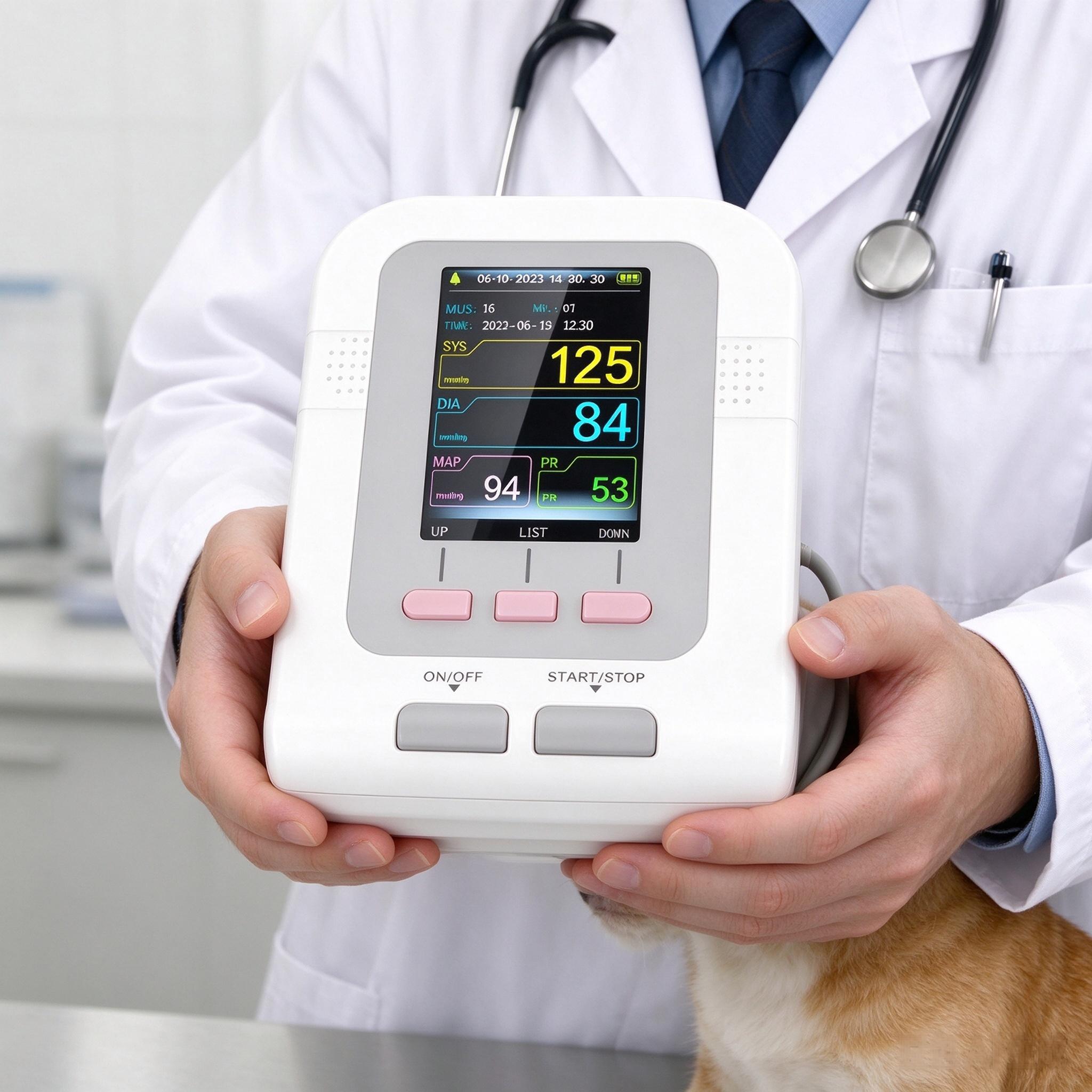
Veterinary Clinics
Add BP monitoring to your clinic. Keep patients in-house instead of referring them out. Build a chronic disease care program. Affordable clinic-grade accuracy for your practice.
How It Works
3 Simple Steps. No Training Needed.
Step 1: Attach the Cuff
Connect the correct size cuff to the monitor using the air tube.
Step 2: Wrap on Limb
Wrap the cuff around the animal’s front leg or tail base, at heart level.
Step 3: Press Start
One button press. Automatic inflation. Accurate results in 30 seconds.
Product Details
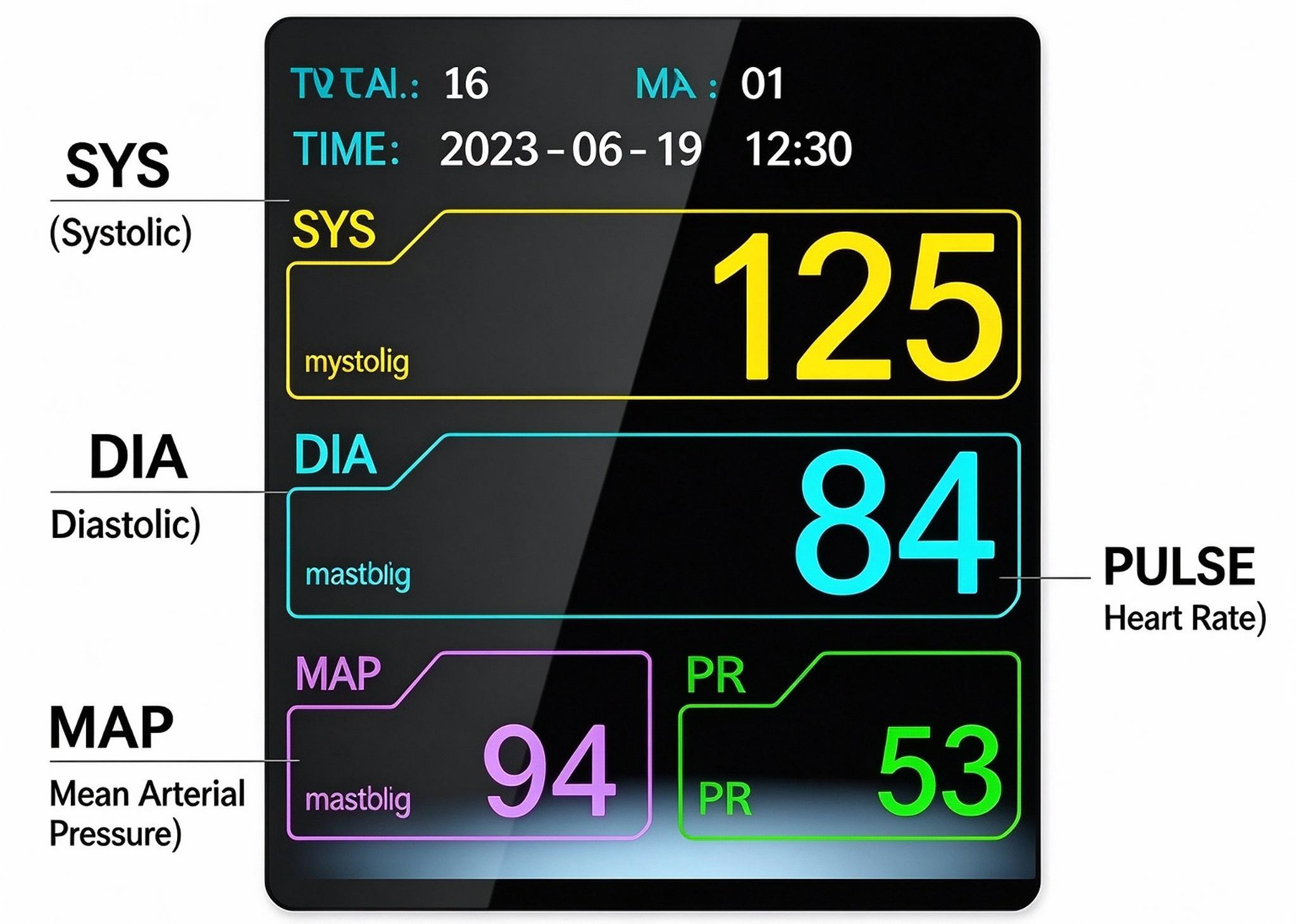
Screen Display
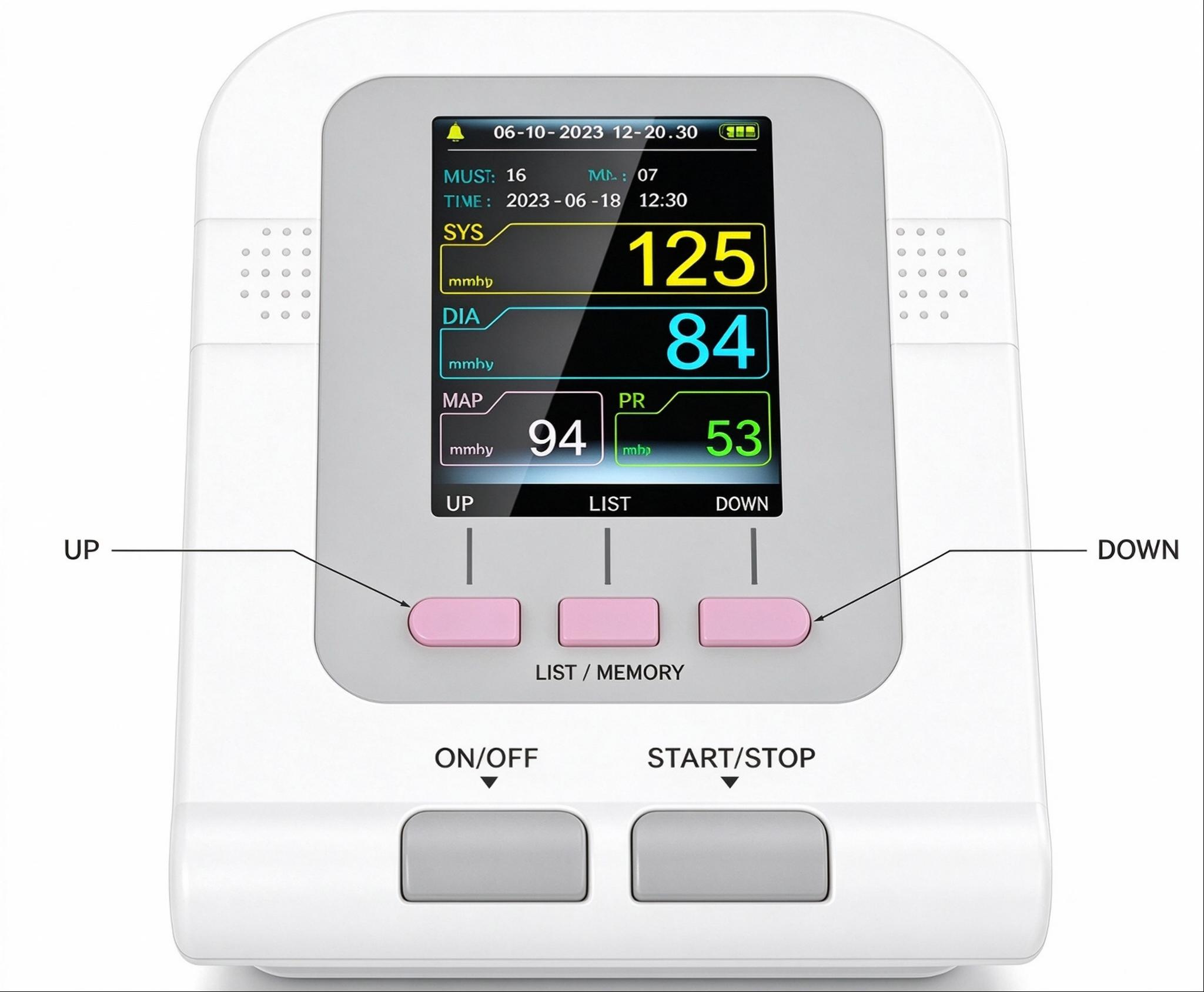
Buttons & Controls
Power the monitor on/off with the dedicated ON/OFF button. Press START/STOP to begin automatic measurement. Use MEMORY to recall past readings. The MENU button lets you adjust cuff mode, alarm limits, and settings. UNIT toggles between kPa and mmHg.
Data Management
3 Cuff Sizes Included
|
Size
|
Limb Circumference
|
Best For
|
|
Small(小号)
|
6-11 cm
|
Cats, small dogs, puppies
|
|
Medium(中号)
|
10-19 cm
|
Medium dogs, cats
|
|
Large(大号)
|
18-26 cm
|
Large dogs, Great Danes
|
Accuracy & Reference
Normal BP Reference
|
Animal
|
Normal SYS
|
Hypertension Threshold
|
|
Cats
|
120-140 mmHg
|
>160 mmHg
|
|
Small Dogs
|
120-140 mmHg
|
>160 mmHg
|
|
Medium Dogs
|
110-130 mmHg
|
>150 mmHg
|
|
Large Dogs
|
100-130 mmHg
|
>140 mmHg
|
Clinical Accuracy
How to Get Accurate Readings
Technical Specifications
|
Measurement Method
|
Oscillometric
|
|
Pressure Range
|
0-290 mmHg (0-38.67 kPa)
|
|
Resolution
|
1 mmHg
|
|
Static pressure accuracy
|
±3 mmHg
|
|
Pulse Range
|
40-240 BPM
|
|
Display
|
2.8″ Color LCD
|
|
Memory
|
100 readings with date/time
|
|
Power
|
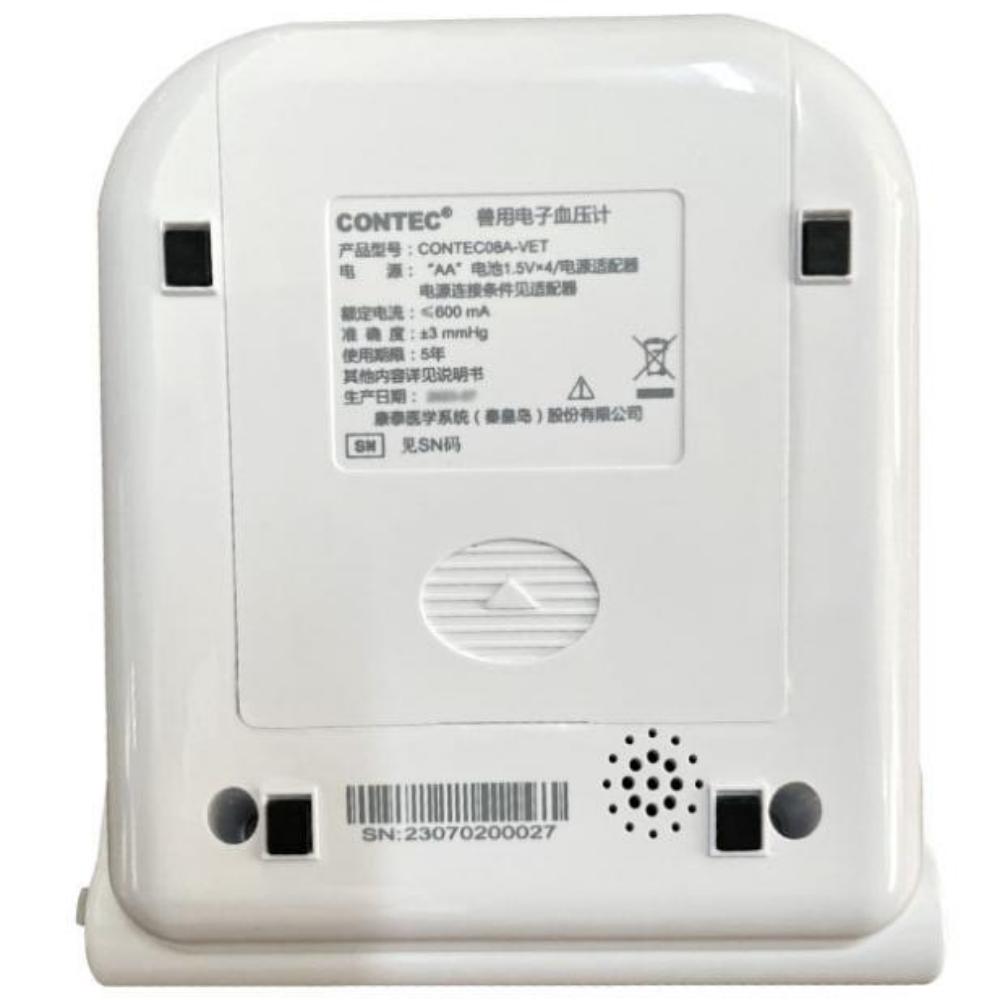
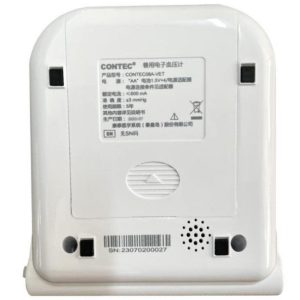
4x AA batteries / 6V DC adapter (optional)
|
|
Dimensions
|
130 x 110 x 80 mm
|
|
Weight
|
300g (without batteries)
|
|
Safety Class
|
Type II, BF applied part
|
What’s in the Box
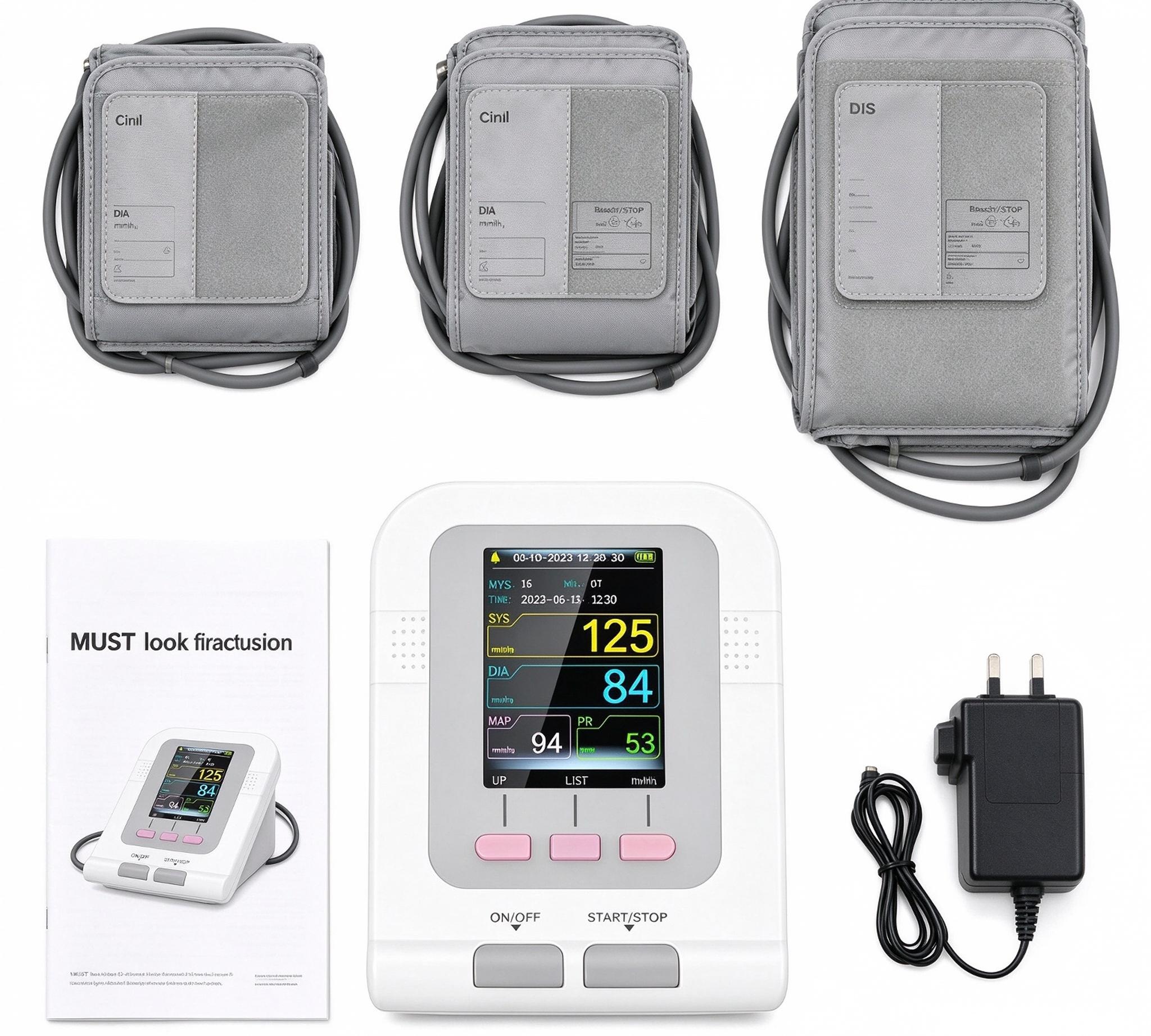
Main Unit
3 Cuffs: Small / Medium / Large
User Manual
AA Batteries
Warranty Card
Power Adapter
Quality & Warranty
Quality Assurance
- CE Certified
- ISO 13485 Quality Management
- 100% Factory Calibrated
Warranty
- 1-Year Full Warranty on manufacturing defects
- 60-Day No-Questions-Asked Return Policy
- 24/7 Customer Support via email
Frequently Asked Questions
No — and this is the most common mistake pet owners make. Human monitors are calibrated for human pulse waves and heart rates, which are very different from dogs and cats. Using a human monitor can give readings off by 10-30 mmHg or more — dangerously inaccurate. Veterinary monitors use animal-specific algorithms and come with properly sized cuffs.
In dogs and cats, a systolic blood pressure below 140 mmHg is considered normal. 140-159 is pre-hypertensive (low risk), 160-179 is hypertensive (moderate risk), and 180+ is severely hypertensive (high risk of organ damage). Always interpret readings with your veterinarian.
Cuff size is the #1 factor in reading accuracy. A cuff that’s too small gives falsely high readings; too big gives falsely low readings. The 3 included cuffs cover everything from a tiny kitten (6-11cm) to a large Great Dane (18-26cm) — one size never fits all pets.
Take 2-3 readings in a row, wait 30 seconds between each, and use the average. Stress and movement cause single readings to vary. Averaging multiple readings gives your vet a much more reliable baseline. The monitor stores 100 readings with date/time so you can track trends over time.
Yes — this is exactly why home monitoring is so valuable. “White coat hypertension” (high blood pressure caused by stress at the vet) is very common in pets. Measuring at home in familiar surroundings gives calmer, more consistent readings that your vet can actually trust.
One high reading doesn’t mean a diagnosis. Pets can spike from stress, excitement, or recent activity. Take several readings over a few days when your pet is calm, and bring the data log to your vet. Consistent readings above 160 mmHg warrant veterinary evaluation.
Yes. The monitor stores up to 100 readings with date and time stamps. You can also connect it to a computer via USB to view trend charts or print professional reports to bring to your vet’s appointment.
Ready to Start Monitoring Your Pet’s Blood Pressure? Join 500+ veterinary clinics and thousands of pet owners who trust our monitor.
Reviews (0)
Be the first to review “Veterinary Blood Pressure Monitor”
You must be logged in to post a review.
Reviews
There are no reviews yet.